
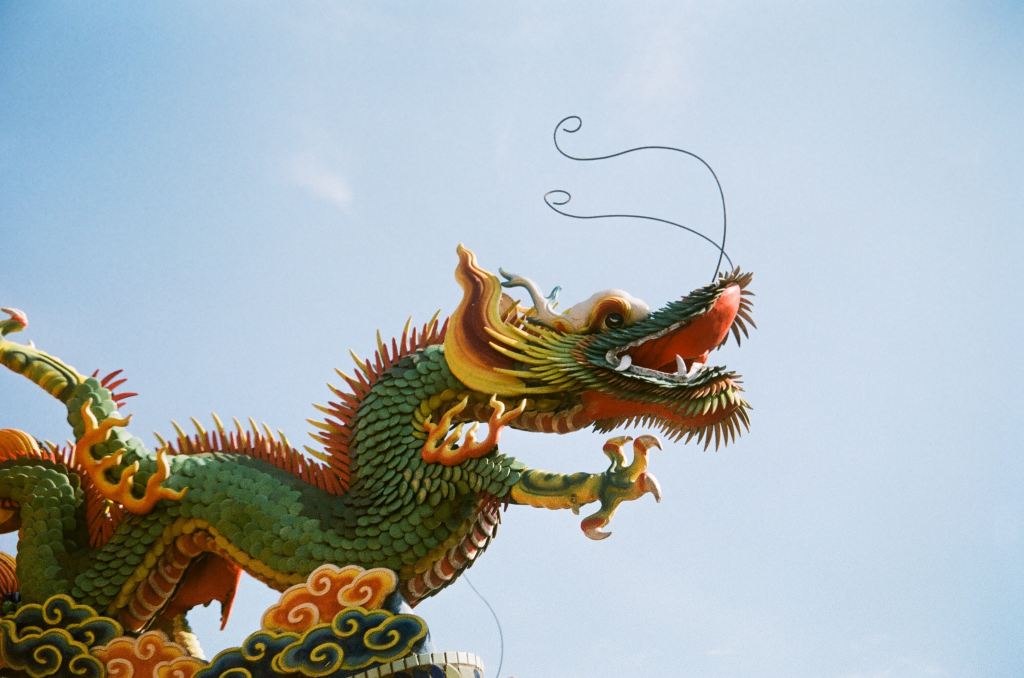
It is simple to ignore the value of dreaming and creativity in our fast-paced society when efficiency and production are greatly valued. However, a technique known as “Dragon Dreaming” has recently come to light for its distinct manner of project management and community development. The Dragon Dreaming approach gives a novel viewpoint on how to conceptualize, organize, and carry out projects while creating sustainable and peaceful connections with both people and the environment. It is based on Aboriginal Australian wisdom and is inspired by nature.
After learning about this new method, I was even more fascinated. I wanted to learn more. So, I packed my bags and went straight to Romania. There, in the birthplace of many legends, I set out to uncover the “lair” of this new curiosity that set a spark in my mind. By participating in the “DEVELOP YOUth” training course I was able to learn more about this method and, unlike a greedy dragon, I am excited to share my knowledge with you!
The History of Dragon Dreaming
Australian community builder and facilitator John Croft created the Dragon Dreaming technique in the late 1980s. Croft sought to develop a new method of project management that is in line with the ideas of cooperation, sustainability, and creativity by drawing on his experiences working with indigenous tribes and old knowledge. The approach is influenced by Aboriginal Australian Dreamtime tales, in which the fabled dragon stands for the power of creation and change.
The Four Stages of Dragon Dreaming
Dreaming: Dragon Dreaming’s first phase encourages participants to embrace their creativity and imagination. Now is the moment to dream large, examine options, and consider how the project may seem in its ultimate state. For a complete knowledge of the project’s possible impact, this phase highlights the value of listening to all stakeholders, including the environment.
Planning: After the dreaming stage has given ideas room to grow, planning is necessary. Together, the participants come up with precise objectives, assignments, and deadlines. Finding the ideal harmony between creativity and pragmatism is the key to tying the project’s goal to concrete steps.
Doing: Teams are urged to take a non-hierarchical and participative approach as the project enters the doing phase. This encourages everyone to feel a feeling of accountability, ownership, and duty. The approach encourages shared leadership, where each person’s opinion is respected and taken into account, which results in more dedication and drive.
Celebrating: Contrary to traditional project management approaches, which frequently ignore this crucial stage, Dragon Dreaming places a strong emphasis on celebration. Recognizing accomplishments, lessons learned, and personal development improves the project’s overall performance and fortifies community ties.
The Dragon Dreaming concept is a potent substitute for conventional project management techniques. It offers a comprehensive and inclusive framework for conceptualizing and carrying out projects by fusing indigenous wisdom, teamwork, and sustainability principles. Adopting the Dragon Dreaming approach entails fostering community development, environmental harmony, and personal growth in addition to project success. So why not follow the fabled dragon’s example and use the power of our imagination to make our wishes come true?
Marija Marinkovikj
Source:
dragondreaming.org
 VOICES
Leave a comment