
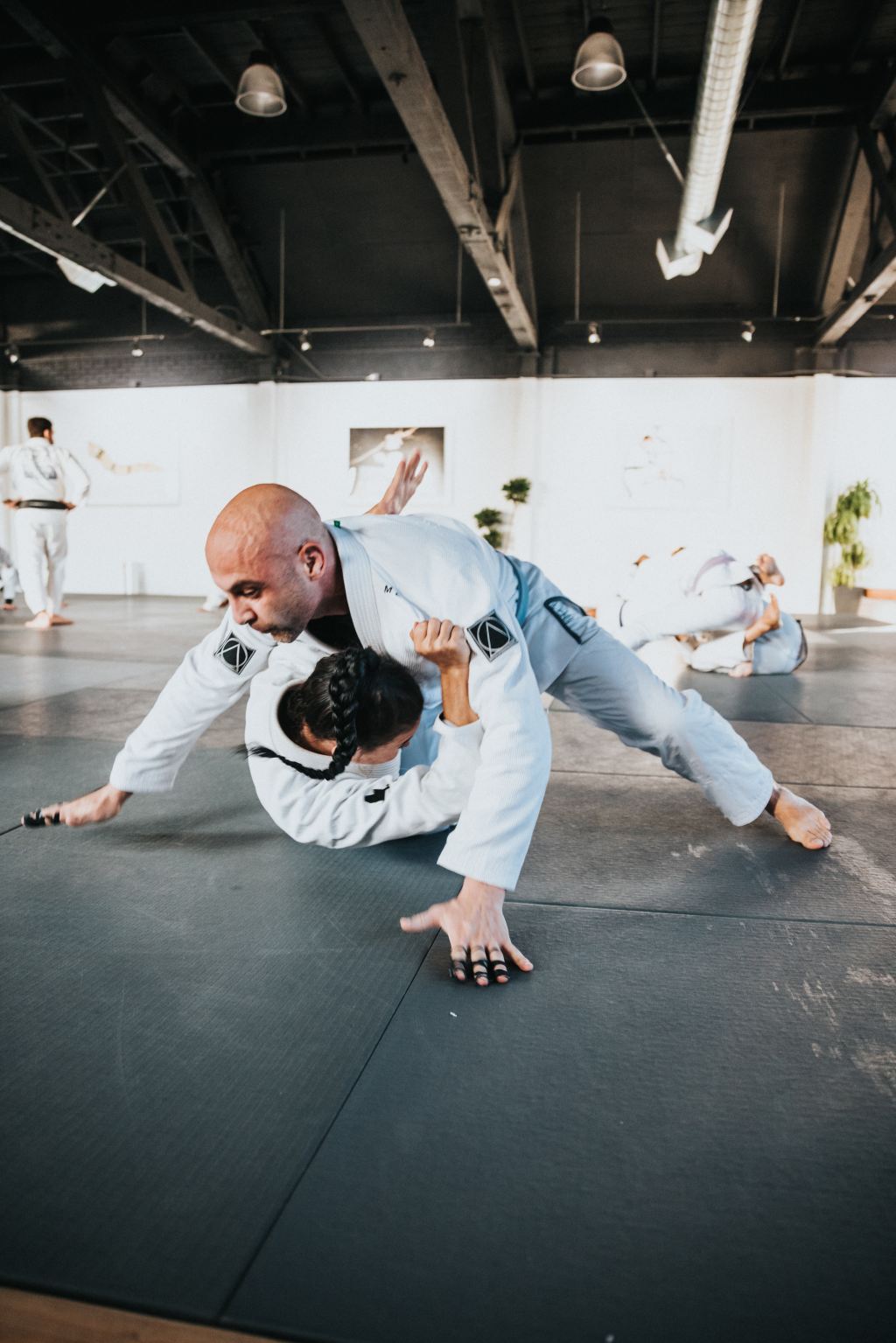
One of the most unique aspects of karate is that it is open to people of all ages. Children as young as four years old can begin practicing karate, and there is no upper age limit. Additionally, karate is divided into ten different levels, each represented by a different color belt. Students must pass exams to progress to the next level, with a passing score of 70% or higher.
The highest levels of karate are the brown and black belts, which are divided into three levels each. To achieve the level of Sensei, one must pass the exams for all three levels of the black belt. Practicing karate can lead to improved alertness, confidence, independence, and discipline, making it a valuable activity for people of all ages and backgrounds.
Karate has three categories which are kata, combate, and kumite. Kata consists of 204 sets. Each set has 20 to 30 movements, different moves for different situations. It has attack and defense in it. Combat is a fighting game in which 2 people fight against each other on a mat and it has two colors. Red and blue, each movement has different points as well and each fight duration is 3 minutes. In fighting there are several categories which are divided into belts and age.
We cannot make a white belt fight against a dark blue belt because the level is way too different. However, if there are two same color belts but different ages they can fight against each other. So it goes more for the belt or level then the ages. Small kids always go with small kids and they have no score. A kid of 5 years old will go with the same age and both will get equal scores.
In a karate competition, there are several key roles, including a referee, one coach, and four umpires. The referee is equipped with a whistle and halts the fight at crucial moments or when a participant scores points. When an umpire removes a color flag, the referee intervenes, stopping the fight and awarding the score. For instance, if red and blue are competing and blue executes a precise technique, the referees remove the blue flag, indicating a score. The referee then blows the whistle to stop the fight and assigns the score to blue. The body is divided into three parts: the face, chest, and below the hips, each with different scoring rules. Punching the face is prohibited, while punching the chest earns 2 points. Defense below the hips counts as 1 point. Kicking the face is worth three points, kicking the chest is worth 2 points, and kicking below the belt is not allowed. Kumite, which involves three or more fighters, simulates real-life scenarios and prepares practitioners for self-defense situations.
Karate practitioners wear a white uniform, which comes with a belt. There are different regulations for girls and boys. Girls must wear a tank top under their uniform, remove all jewelry, tie up their hair, and ensure their nails are cut. They must also keep their uniform clean and correctly tied, or face punishment. Boys can’t wear anything under their uniform, must remove all jewelry, ensure their hair is properly groomed, and keep their uniform ironed and clean. They must also properly tie their belt.
Sharing my personal story. I have been doing karate for 8 years. It was tough to reach a high level like a brown belt. As the physical condition is so important to have, it was not easy to build it. Your diet has a big influence on karate. You have to have a healthy diet to be able to participate actively and strongly in all activities. My condition was so low that it took a good 2 years to build that up and be able to be called one of the strongest performers. There were days when I didn’t want to go to karate because it was becoming too much, it was not healthy for my schedule at all. There were times I was being bullied in my favorite sport and people started giving me negative energy in karate. There were days when I almost gave up and didn’t want to continue anymore but thanks to my uncle who always inspired me and pushed me to continue with karate I didn’t give up. Every two days before going to karate I had tears because I didn’t want to deal with those people. I didn’t have any problem with karate but only with people there. I faced people being unfair to me. When I did my best and showed my passion for karate, I didn’t get any appreciation, no comments, no attention but with time I proved that my negative environment won’t affect me. Struggling every day, I reached my belt. Even before my exam, I was so nervous that I almost cried but these words were always with me: “Lipika, you can do this!”. Not only from one person but from several people, and those were my mom, my uncle, and my two best friends. Those people stood next to me like a pillar and that’s how I completed my exam and reached my brown belt. Today, I am proud of myself that I earned that respect and everyone’s support, not only among students but also the instructor. Today, if someone goes to ask about me, I am confident that that person will hear all positive comments about me. For me, karate is not just a sport but part of my life.
The benefits of practicing karate are endless. It offers opportunities for international competition and personal growth, as well as practical applications in everyday life.
Lipika Motwani
Sources:
https://www.britannica.com/sports/karate
https://www.level3karate.com/top-10-reasons-to-learn-martial-arts
 VOICES
Leave a comment