
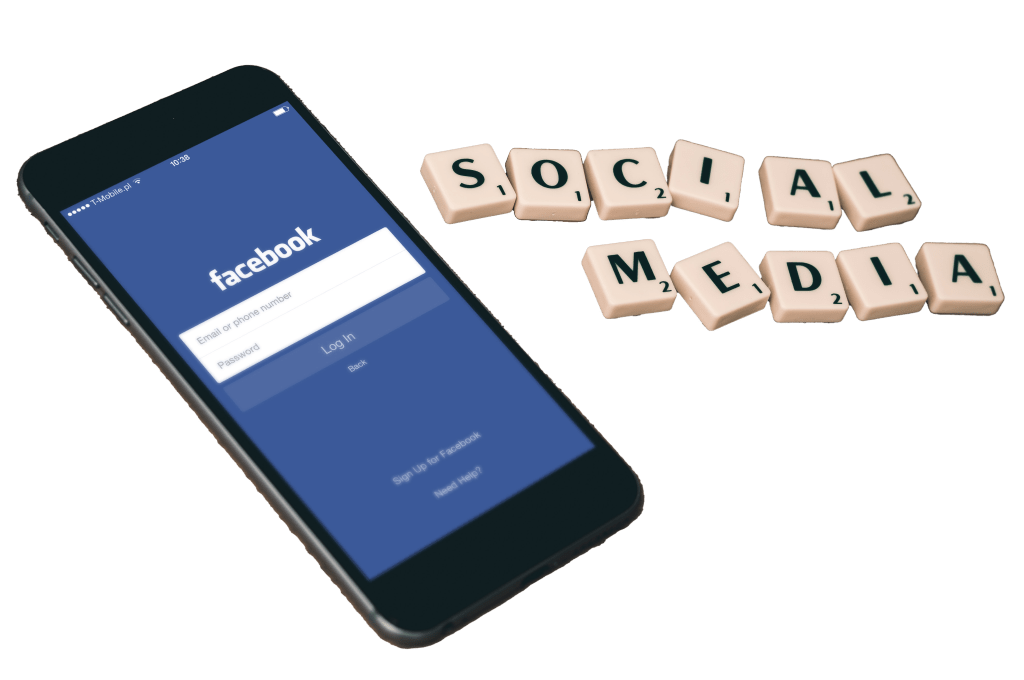
Social media – something we wake up with, something we go to bed with; our ultimate companion. It seems that social media, in all its shapes and forms, plays a massive role in our lives. From allowing us to stay connected to family and loved ones, to producing some of the highest incomes around the globe; whether you like it or not, it is present and it has magnitude. However, it would seem that something that was considered a blessing up until a few years ago has become one of the main tools when it comes to malice and the spread of lies. From paid ads, to political influence and hoaxes, social media is slowly, but surely, becoming a breeding ground for disinformation. Let’s get into it.
It is an indisputable fact that social media’s ability to quickly spread information is both a blessing and a curse; while it facilitates the dissemination of legitimate news and important information, it also amplifies disinformation at an alarming rate. False or misleading content can go viral within minutes, reaching a vast audience before fact-checkers can intervene, leading to potential consequences. If we take the example of the Rohinya crisis in Myanmar, we have a case where false information, spread with malice, led to the deaths of many innocent people.
Tensions between the Buddhist majority and the Rohingya Muslim minority in Myanmar’s Rakhine state deteriorated significantly in 2017 as a result of misleading and inflammatory material, frequently in the form of photographs and messages on social media sites like Facebook. The Rohingya community was unfairly depicted, making them out to be terrorists and inciting discrimination against Muslims. The level of violence in the real world increased as false information and hate speech quickly circulated on social media. Due to the Myanmar military’s ruthless response, many Rohingya people were forcibly displaced, there was extensive bloodshed, and many people died. Later, it was discovered by human rights groups and journalists that social media platforms had been used to spread and encourage violence against the Rohingya people.
This horrific story illustrates how disinformation may exacerbate existing tensions, sow division, and have real-world effects including death and migration. It emphasizes the need for using social media platforms responsibly, fact-checking, and fostering media literacy to stop the spread of destructive narratives that can spark conflict and bloodshed.
Another instance, known as the “Momo Challenge”, highlights another serious implication of the spread of disinformation on social media; mental health issues and safety of young users.
In the “Momo Challenge” hoax, a terrifying picture of a sculpture with protruding eyes and an unnatural grin was distributed online. It was said that this picture was associated with a social media challenge that pushed young people to engage in risky behaviours, such as self-harm and suicide, in order to communicate with an anonymous online figure called “Momo.” Despite the lack of reliable proof of the challenge’s existence and no verified cases of harm caused by it, the hoax’s rapid growth on websites like Facebook, WhatsApp, and YouTube generated fear among parents, care-givers and children. Fear of the supposed challenge led to discussions in schools, news coverage, and widespread concerns about the well-being of young people online.
Let’s take a second to think about this; How can we ensure that the things we read online are actually what they seem? It seems like quite a conundrum, doesn’t it? How do we keep these dangers contained while developing the tools for education and spread of awareness? After all, social media has its perks and benefits.
But, one big question remains unanswered: Is it a part of human nature to essentially turn anything useful into a tool for violence? How can we, and can we at all, combat this? Thankfully for us, I am not the first one to ask this question.
If we take a look at some of Mark Zuckerberg’s statements regarding the spread of disinformation on Facebook, it becomes clear that certain steps can be taken to minimize damage, if certain parties want to. Zuckerberg has testified before the U.S. Congress on multiple occasions to address concerns related to Facebook’s privacy practices, content moderation, misinformation, and other issues. Alexandria Ocasio Cortez, a prominent member of Congress, has questioned Zuckerberg during some of these hearings. During her questioning, AOC had raised issues such as data privacy, political advertising, and Facebook’s role in the spread of disinformation. She has challenged Zuckerberg on the platform’s policies and practices, often pressing for more transparency and accountability.
In one notable exchange, AOC questioned Zuckerberg about Facebook’s policies regarding fact-checking political advertisements and the potential for false information to be spread through the platform’s ad system. AOC has also raised concerns about Facebook’s influence on elections and democratic processes. In response, Zuckerberg has generally emphasized Facebook’s efforts to improve content moderation, combat misinformation, and protect user data. He has acknowledged that Facebook has a responsibility to address these issues and has outlined steps the company is taking to enhance transparency and user control. It does seem, however, that Facebook, along with all other platforms can, and should, do better when it comes to platform regulation and collaboration with governments, as this issue is far from being resolved or under control.
As we have seen thus far, social media’s role in disinformation and its profound societal implications, cannot be ignored. My firm belief is that only through a collective commitment to combating disinformation can we hope to preserve the integrity of information in the digital age. So, let me leave you with some food for thought: How are you personally affected by this reality and what can you do to help?
Georgina Kominovska
Sources:
1. Shu, Kai, et al. “Combating disinformation in a social media age.” Wiley Interdisciplinary
Reviews: Data Mining and Knowledge Discovery
2. Shu, Kai, et al. “Fake news detection on social media: A data mining perspective.”
3. Bort, Ryan. “What Alexandria Ocasio-Cortez Exposed About Mark Zuckerberg and
Facebook Heading Into 2020”. Rolling Stone Magazine
4. Myanmar Rohingya: What you need to know about the crisis. BBC news
5. Viral ‘Momo challenge’ is a malicious hoax, say charities. The Guardian
 VOICES
Leave a comment