
It is said that every second person who discovers the amount of sugar in sugar-sweetened beverages drops their jaw. You might be one of them, so let’s find the answer right away!
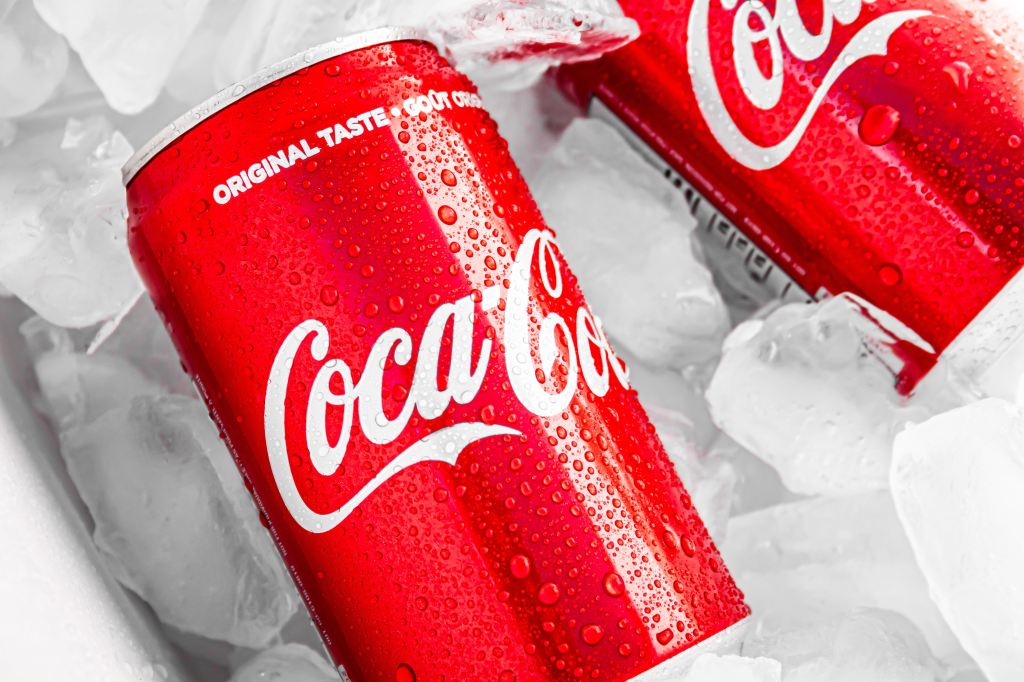
A single can of cola contains about 10 teaspoons of added sugar. That’s more than the recommended sugar intake which is about 6 teaspoons per day. The sad truth is that those sugary drinks can contribute to health issues such as obesity, type 2 diabetes and tooth decay. Research has shown that drinking only one can of cola can damage the body within an hour.
If your thoughts are currently turning to cola zero, remember that despite its zero-calorie label, it lacks nutritional value and consists of artificial sweeteners. Take a look at the table below.
355 ml can of cola zero offers:
Calories: 0
Total fat: 0 grams
Sodium: 40 mg
Total carbohydrates: 0 grams
Total sugars: 0 grams
Protein: 0 grams
Potassium: 60 mg
Caffeine: 34 mg
Artificial sweeteners offer a sugary taste, yet their effects are controversial. Some studies suggest that their effect on appetite could contribute to obesity, as the lack of calories in the sweetness might promote increased food consumption. Similarly, like regular soda, cola zero may also contribute to tooth erosion. This is because its pH is low, ranging between 2.6 and 2.7, due to the inclusion of phosphoric acid (H3PO4). Despite having a high sugar content that would typically trigger vomiting due to its extreme sweetness, the phosphoric acid in the cola offsets this effect, enabling individuals to tolerate the drink.
Effects similar to heroin
Approximately 40 minutes after consumption, the body absorbs all the caffeine from the cola. This leads to the dilation of human pupils and an increase in blood pressure. Additionally, adenosine receptors in the brain are blocked, which in turn prevents drowsiness. About 5 minutes later, there is an increase in dopamine production. Dopamine is a neurotransmitter that regulates the brain’s pleasure and reward centers. It triggers a person’s desire to consume another can – much like heroin’s impact, that stimulates the brain in a similar manner. An hour after consuming the beverage, a sugar crash begins, resulting in irritability and drowsiness. Was it worth it?
Local research
Have you ever wondered how many people in your city drink cola on a daily basis? Well, we carried out research in the City Center of Skopje where we asked people to indicate how often they consume Coca-Cola or other soft drinks – whether it’s daily, weekly, monthly, or never. The survey involved 30 adults aged between 20 and 50 years old. Our findings showed an average consumption of one cola per day. Only one adult reported never drinking cola, while the rest consumed cola either one to three times per day or three to five times per week. We also inquired whether they were aware of the potential side effects of their consumption. Eighteen adults answered that they know about side effects but they keep doing it anyway. Others were shocked by the information provided in this article. As a gesture, we provided each participant who took part in the survey with a bottle of water.
A week prior to this survey, we conducted research in Ohrid, where we questioned tourists about their familiarity with the side effects of cola and their frequency of cola consumption. They said they drink it but not so often, most of them answered on a monthly basis two to four times. Four of the tourists were German, two of them were Serbian, three of them were Greek and around 12 were part of a Chinese tour group.
Should I choose water or a coke?
Let’s get straight to the point because it’s clear that only water offers health benefits without any downsides. I mean, humans can’t technically survive without water, which is something we all know. Water occurs naturally and is essential for life. It has no calories and doesn’t contain sugars or caffeine.
Soda is a manufactured product that contains simple carbohydrates, which consist of long chains of repeating sugar molecules that can be easily broken down and used by the body for energy. Most people already obtain enough energy from the food they eat, and the additional energy source from sodas ends up as excess calories stored as fat. On top of that, sodas often contain high amounts of salt (sodium) and caffeine. While water is a primary component of sodas, the carbonation in soda is highly acidic, which can lead to damage to the teeth, esophagus, and other organs as the body works to neutralize the acidity.
Next time you’re faced with the decision water or coke, ask yourself: what truly nourishes me?
Ivana Stankova
Sources:
Hackspirit: The shocking impact of Coke on the human brain and body
Medical News Today: Is Coca-Cola bad for you?
Live Stong: Water vs. Soda: The Differences Impacting Your Health
Everyday Health: Does Soda Count as Fluid?
 VOICES
Leave a comment