Sustainability is a concept that every individual should think on behalf of the society, for the communities, brands and sectors that have an impact on the society, for a better future in every sense and in every field. Let’s take a look at this concept through the fashion industry. What the luxury brands are doing and what we can do ourselves.
Undoubtedly, the pandemic had a great impact on the course of the world. Of course, the fashion industry is among the sectors most affected by this process. During this period, the main problems that have been going on for years and have been neglected became visible. It would be correct to compare the state of the industry in recent years, which has reached the speed of bringing new products to the stores almost every week and acts according to arbitrary growth targets rather than a logical supply/demand forecast, to a car going downhill with its broken brake.
At the beginning of the pandemic, when the world was still in shock, Gucci design director Alessandro Michele, who shook the fashion industry with the radical steps he took and the letter he published, inspired the whole industry by deciding to switch to 2 non-seasonal collections instead of 5 seasons a year. “First of all, we understand that we have gone too far,” Michele began in her striking letter to the fashion industry. “Our reckless behavior has burned down the house we live in. We thought of ourselves apart from nature, we felt cunning and mighty. We usurped nature, we dominated and injured it. So much arrogance has caused us to lose our fellowship with flowers, trees and roots. So much greed has caused us to lose harmony, connection, and belonging.”
If we look at the damage caused by the fashion industry to the environment and people; It is known as the sector that not only creates 20% of global water and chemical pollution, 5% of total carbon emissions and 35% of plastic pollution in the oceans, but it also has an effect on class difference and gender discrimination too.
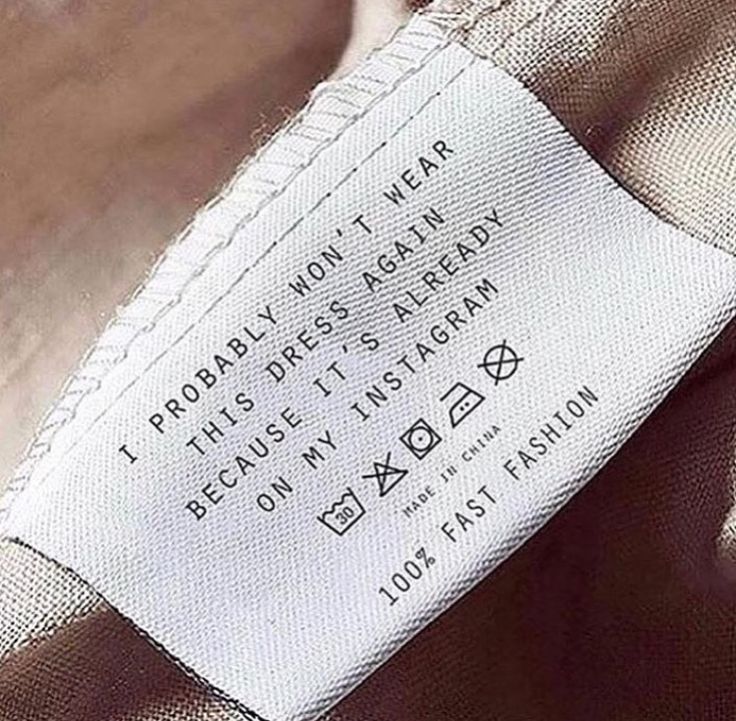
Especially in the last 15 years, as a result of the fast fashion trend becoming more widespread, the products have shortened considerably and the textile wastes have reached serious dimensions. If it is necessary to give information in numbers, 70% of the produced textile products become waste at the end of the same year, either before they even reach the consumer as excess stock, or by completing their useful life. The recycling rate is not even 1%. In today’s world, where we live almost in a throw-away period, the average number of uses of products has dropped to 7. We have often come across many brands’ water/energy saving, recycling and waste evaluation targets (controversial) and success stories on the reflection of such situations to the public. While sustainable fashion has become a trend concept, its abuse has unfortunately grown so rapidly; The concept of ‘greenwashing’, which is the name given to the misuse of the subject for marketing purposes, also took its place in our lives.
Greenwashing is a method many luxury brands use to convey misleading information about how their products are produced and distributed. Companies using this method make you believe they are doing more to protect our planet than they are doing. With this laundering going on, it can be nearly impossible to know which ethical clothing brands are 100% ‘ethical’ and which high-end brands are putting what they claim into practice. From garments with eye-catching labels to statements suggesting that the yarn you’re about to buy has ethical origins; Words such as clean, loving the world, high quality, happy and green are used to trick consumers into thinking they are doing so.
In addition to all these, brands with a high level of consciousness say ‘stop’ to these devastating results of the fashion industry and protect the environment with ethical production. Moreover, there are luxury designer branches among the brands that adopt this understanding, and the question that comes to mind is “Can a high-end fashion brand be sustainable?”. Contrary to what most people think, with the right direction of designers, sustainability and luxury design brands can work together.
There is so much noise in today’s industry about false sustainability claims and conflicting data on brands’ eco-credentials that many consumers trying to do research face analytics paralysis. However, whether you are a customer embarking on a greener journey or a well-established brand in the luxury brand market, we can all do our part to lead the development of this part of the fashion industry.
Let’s start with Stella McCartney by exemplifying what world brands do first. When producing ethical clothing, it thinks not only of our wardrobes, but also of our planet. Of course, the only reason to come to this idea is not that only luxury brands are eco-friendly. A large percentage of the customer base is now starting to ask questions about the sustainability and ethics behind brand labels. Research shows that more and more people are willing to pay for sustainable clothing, but most of us no longer know what the word sustainability means.
“I barely know what sustainability means anymore” – Stella McCartney
Let’s move on to what we’re going to do about sustainable fashion. How can we reduce our carbon footprint when buying fashion? We can give you some suggestions.
* We can try to choose what has ‘circular’ or zero waste labels.
* We may opt-out of pickup options from a local store and opt-out of expedited delivery.
* We can extend the life of the clothes by following the aftercare guidelines, washing clothes by hand and using eco-detergents.
* We can choose clothes made from high-quality materials such as organic cotton or local silk that are less harmful to the planet.
* We can reduce your overall consumption of clothing by making your clothing last longer through repair or upcycling.
At the end of the day, everything about our current living and working habits is based on the goal of increasing consumption and ‘providing economic growth’. Success has always been associated with economic growth, and growth with prosperity and wealth. However, the side effects of the passion for growth on humanity and the environment have unfortunately been underestimated or even ignored. We hope you can find your next perfect product in this list, produced in accordance with ethical rules, and you can also add your own items to this list by experiencing an enlightenment with this article.
Büşra Arslan
Sources:
Vogue.com – Gucci Alessandro Michele Coronavirus Experience
Academia.edu – Fashion with heart: Sustainable fashion entrepreneurs, emotional labour and implications for a sustainable fashion system
Rareandfair.com – Sustainable Luxury Fashion Brands
Onedio.com – Sürdürülebilir Moda Nedir? Sürdürülebilir Moda Akımını Benimsemek İçin Yapılması Gerekenler
Oggusto.com – Sürdürülebilir Moda Gerçekten Mümkün
 VOICES
Leave a comment