
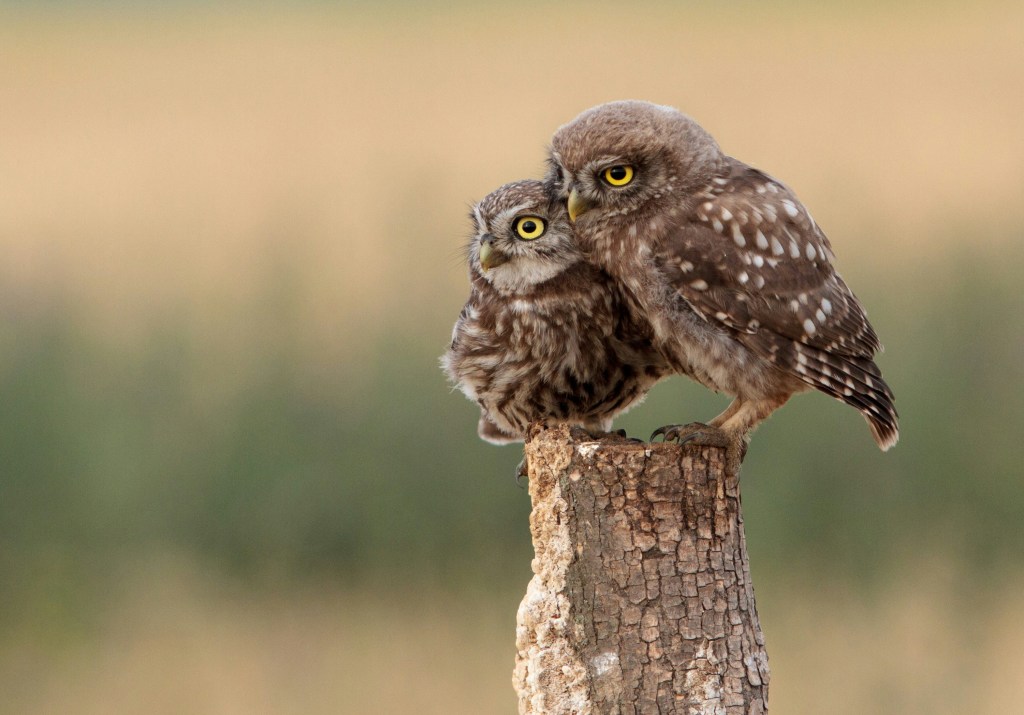
I was born in an owl’s nest. As a little baby owl, I learned to walk and run in this nest. I learned to speak and to sing, everything I know I learned in this nest. The nest is my home forever even when I leave I will have a home in this nest. As I grow older I get braver, more curious and prettier. I start going out and seeing what is beyond my nest. Other owls but not just owls but parrots, lizards, iguanas and snakes. I grew up with these animals. This is our ecosystem, our home. We all serve a purpose on this island, we built schools, stores and authentic restaurants. We show each other our culture and traditions, building a community. Our island is growing beautifully. Of course, we would wanna show our island off to the other animals from different islands and countries. It took one hotel to change everything. We saw the value of visitors, tourists. They help our economy but at what cost?
Aruba is a small island in the Caribbean that holds 106.277 people. The economy of Aruba thrives on tourism. In 2021, 807 million tourists visited Aruba and brought profits of about 1.79 billion US dollars. What’s the problem? Aruba is making money which can be used to fix the roads and historical buildings, maybe even build another roundabout. The problem lies with the hotels and the UTVS/ATVS according to the Activists. Aruba is not a big island, but they keep allowing new hotels to be built. To build those hotels, trees have to be cut down and the ground dug into, destroying the soil and ecosystem that lived there. Since most hotels are by the beach the hotels built cabanas (a hut usually found by the beach), and only the people who are staying at the hotel can use them. Making the beaches crowded and harder for the Arubans to enjoy the beach on their own island. It makes room for an environment that does not welcome the locals but the visitors. The people have started speaking out about all the hotels being built, there is an organisation in Aruba who has been speaking out about the negatives of tourism. Aruba birdlife conservation. They have started spreading awareness of the over tourism in Aruba, and talk about many issues that tourism causes (mentioned before). They ask for more responsible tourism.
UTVS and ATVS. These are vehicles used mostly for off-roading, they have bigger wheels and are usually more open than normal cars. They are a fun way to explore Aruba without having to walk or risk your car breaking down. In Aruba, there are places where these vehicles can be rented. The preferred way to go off-roading would be with a group and a guide, but some do go alone. Going with a guide is safer because a guide keeps tourists on the path and the guides usually know their way around the area. According to eco activists when tourists who go off roading they destroy the nature of that area. When these tourists choose to go off the path they are at a risk of hurting themselves, and other living creatures of that area. The Arubans are rightfully upset watching their island that they love get destroyed by these vehicles and the riders.
In certain tourist hot spots such as Barcelona and Venice, the locals were so fed up with the tourists in their countries that they protested. It reached the point where the local authorities finally had to listen and increased fees and refused to issue permits for tourist-focused businesses. It was a small win for the locals, but that didn’t fix their problem completely. Sadly though in Aruba, they can’t just stop with tourism. Tourism is the reason the economy has not crashed, so what can be done to fix the damage that tourism is causing? The activist of Aruba (Aruba birdlife conservation) suggests ‘a more responsible tourism for the children’. They ask for regulations, rules and laws that prevent over tourism on the island. Less focus on building new hotels and more focus on the nature of Aruba. They ask for an island where the locals are welcomed everywhere, and the children have somewhere to go. Focus on the beauty that is already there and preserve it.
Now that isn’t to say tourism doesn’t have its perks. There are good and bad sides to things. Tourism can help the economy of Aruba, and in some cases, it helps improve the lives of others. With tourism comes new jobs and improvements in the roads and historical buildings. Tourism can also help with preserving the Aruban culture. When tourists go to Aruba, some do choose to stay all day at the beach, but many enjoy learning the culture and history. Because of those people who show interest, those historical sites and events get more funding. These are great things that can come out of regulated tourism. But it seems as though Aruba has given a lot of itself to tourism. There is a whole strip in Aruba that is just hotels. The prices in that area will make any local very upset, especially since they are in dollars and in Aruba the currency is florins (1 dollar = 1.75 florins). So it’s not an area most locals go to eat or shop. In a weird way, it has become a place not made for the locals but for visitors. At Least they get local discounts in certain areas. Tourism is an industry that can help bring jobs and financial prosperity, but can also cause serious damage if not dealt with properly. The Aruban citizens ask for a more responsible tourism for not only them but for the future children, animals and Aruba’s national animal, the owl.
Kimberly Heronimo
Sources:
worlddata.info – tourism in Aruba
responsibletravel.com – what-is-overtourism
 VOICES
Leave a comment