
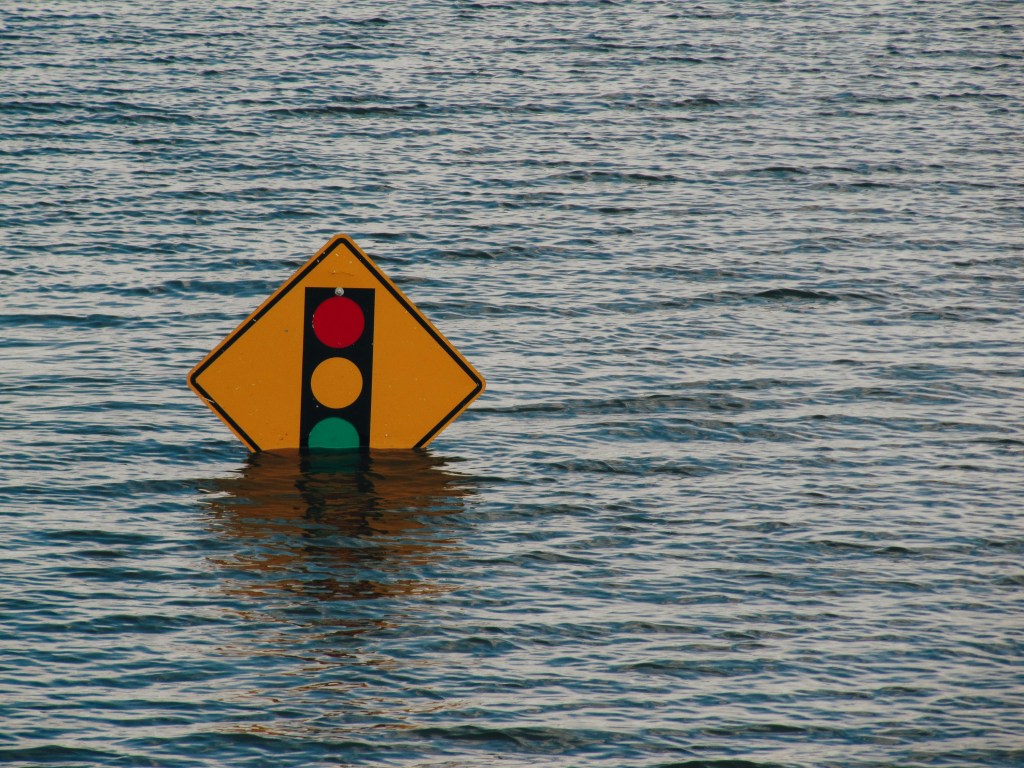
In a world where the weather can’t decide whether to be hot or cold, where even polar bears are considering investing in sunscreen, where the penguins are giving side-eye to humans, we find ourselves struggling with a social problem bigger than deciding what to watch on Netflix. Each decision we make, and every step we take, contributes to our planet’s future. If we don’t address climate change, the only icebergs left will be in our drinks. The polar bears will become excellent surfers, but I doubt they’ll enjoy riding waves made of melted ice caps. It’s like the Earth is sending us a text message saying, “Hey, can you not turn up the heat so much?”. If we keep going at this rate, soon the only snowball fights we’ll have will be in the fridge of the supermarket. Let’s not wait until penguins start wearing sunscreen and palm trees migrate north for the summer. It is high time to save the planet before we all have to explain to our grandkids what a snowman used to be. Everyone from policymakers to everyday individuals plays a crucial role in this. The planet is OURS!
Climate change is a global issue that is a result of long-term alterations in temperature, precipitation patterns, and atmospheric conditions primarily caused by human activities like burning fossil fuels, deforestation, and excessive use of pollutants. It has a big impact on society through rising sea levels, extreme weather events, and mess in ecosystems, leading to threats to livelihoods, food security, and public health. I assert that addressing climate change is not only an environmental concern but a complex social challenge. Proactive societal engagement, policy changes, and sustainable habits are essential to reduce the effects of climate change and build a resilient future for all.
First, I will outline the causes of climate change, highlighting human activities, then, I’ll emphasize the urgency of addressing these issues by illustrating the potential consequences, and finally, I will propose solutions.
Climate change is a grave threat to our planet’s well-being; it has been increased by a great number of human activities that have changed the balance of our environment. The main reasons for this issue are firmly connected to societal habits, burning fuels, and deforestation, as major contributors to the problem. The burning of fossil fuels, such as coal, oil, and natural gas, releases a lot of carbon dioxide into the atmosphere, making the greenhouse effect more intense, and raising global temperatures. This habit is driven by our constant need for energy and has led to a sharp increase in carbon emissions, pushing our planet towards a dangerous point. Deforestation, the clearing of forests for agriculture, logging, and other reasons, is another key player in the climate issue. Forests act as carbon sinks, absorbing CO2 and playing a crucial role in maintaining the ecological balance. However, with forests being cleared, the capacity to absorb carbon lessens, making the greenhouse effect stronger. About 15% of all greenhouse gas emissions are a result of deforestation. The excessive use of pollutants further makes the problem worse. Plastic production, for example, not only adds to the release of greenhouse gases when it’s being made but also causes serious problems for ocean life when it’s thrown away incorrectly. The Ellen MacArthur Foundation warns that if we keep doing things the usual way, there could be one ton of plastic in the ocean for every three tons of fish by 2050. Likewise using too many harmful chemicals, like the ones in perfumes and industries, harms the environment. It makes the air and water quality worse. For example, some people avoid swimming in the sea after showering at home with shampoo containing lots of chemicals. They know it makes the water dirty and harms the fish’s home. So, it’s important to be careful about these things. Another warning from The Union of Concerned Scientists is that if we don’t act quickly to decrease emissions causing global warming, the impacts will worsen, become more extreme, and affect the entire planet more seriously. Habits such as throwing garbage anywhere, air pollution from factories, and cars and trucks making too much smoke, all these things cause a huge problem. In a world where nature is being harmed a lot, climate change paints a black picture. Imagine cities struggling with extreme weather events, really fast heat waves, constant hurricanes, and rising sea levels destroying coastlines. Biodiversity loss makes a mess in ecosystems, impacting agriculture and threatening food sources. Air pollution becomes an everyday challenge, affecting respiratory health. Wildlife becomes smaller, and iconic species face disappearance. The once vibrant Earth transforms into a damaged, struggling planet. However, there’s hope if we act now. By adopting sustainable practices, investing in renewable energy, and embracing eco-friendly lifestyles, we can steer away from this issue and create a healthier society. There are still key solutions for a greener, more sustainable future.
One everyday example of adopting sustainable practices is reducing single-use plastic consumption. You can bring your reusable bag to the grocery store instead of& using plastic bags provided by the store. As the environmentalist, Jane Goodall, wisely stated, “You cannot get through a single day without having an impact on the world around you. What you do makes a difference, and you have to decide what kind of difference you want to make.” It suggests that we all have the power to make a difference, whether through small everyday choices or larger life decisions, the message is to be aware of the influence we hold and strive to contribute positively to the world around us. By choosing reusable alternatives and minimizing waste, we collectively contribute to a healthier planet. Secondly, investing in renewable energy sources is crucial for fighting climate change. Evolving to solar and wind power not only reduces carbon emissions but also drives innovation and economic growth. You don’t have to do anything with the sun and the wind, they just work… Moreover, embracing eco-friendly lifestyles involves aware human choices, like choosing sustainable products. Each mindful act becomes a step towards a sustainable future – for example, using a reusable water bottle. Instead of buying and throwing away lots of plastic water bottles, you can get a cool reusable one. This helps the environment because you’re not creating more plastic waste. Plus, it saves you money in the long run, and you always have water on hand when you need it. It’s a small change, but it makes a big difference for our planet! And most important, to enact change, society must unite. Governments, businesses, and individuals must collaborate. By working together, we can foster a world where harmony between humanity and the environment wins.
Overall, in facing the threat of climate change, we, as a global community, stand at a very important spot. The harmful impacts of our actions on the planet are undeniable, from increasing temperatures to biodiversity loss and plastic pollution. However, in recognizing our shared responsibility, a sparkle of hope appears. Through united efforts, such as reducing single-use plastics, investing in renewable energy, and making eco-conscious choices, we can redirect our course towards a sustainable future. Together, united as a global society, we have the power to lessen the consequences of climate change and foster harmony between humanity and the environment. It’s not just a call to action, it’s an invitation to shape a better world for generations to come.
Ana Angelovska
Sources:
Jane Goodall Quotes (Author of The Book of Hope) (goodreads.com)
Is loss of forests a major contributor to greenhouse gas emissions and percent of greenhouse gas emissions is forestry and agriculture responsible? – ResearchGate
More plastic than fish in the sea by 2050, says Ellen MacArthur – Davos 2016 – The Guardian
Climate – Union of Concerned Scientists (ucsusa.org)
 VOICES
Leave a comment