
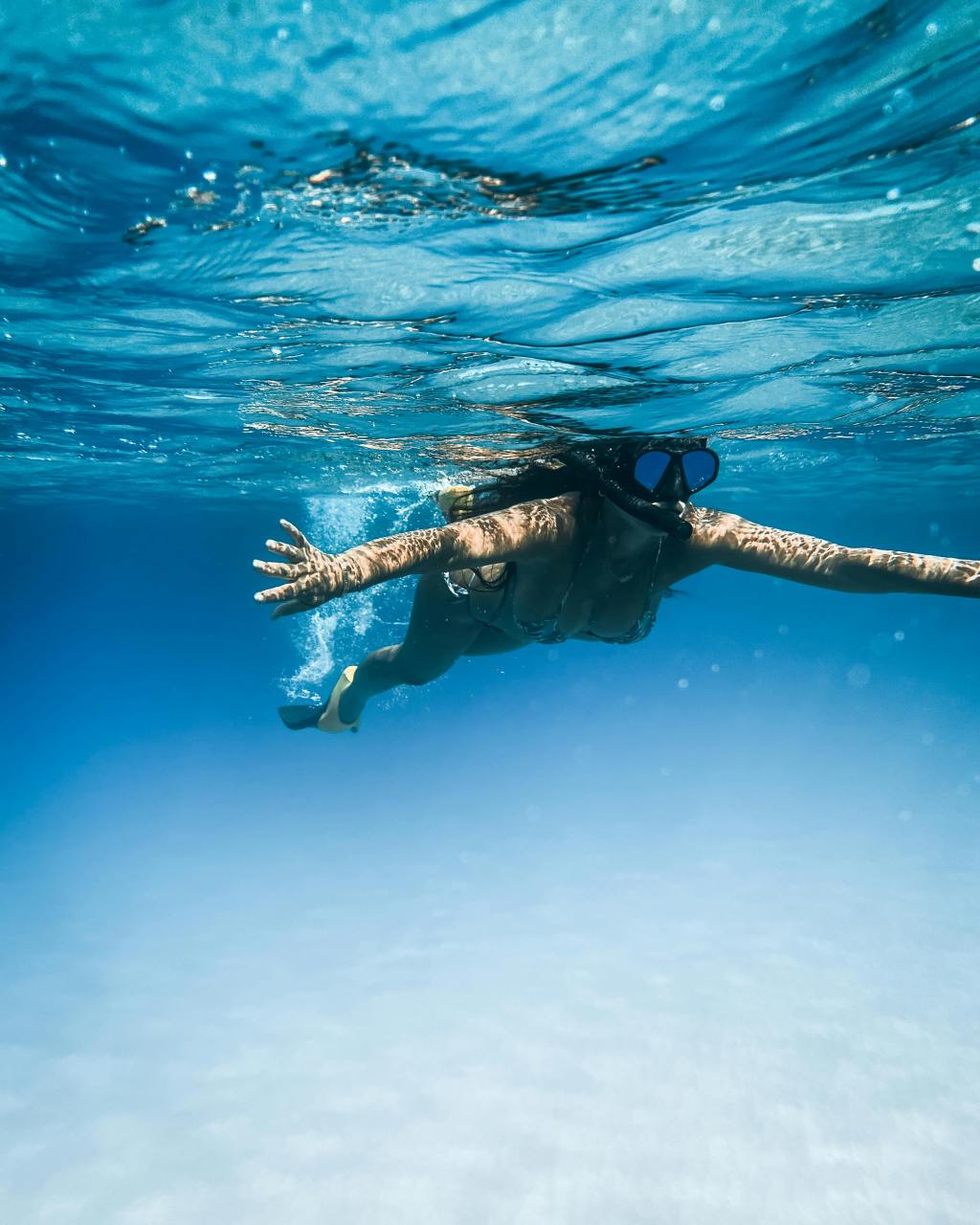
We know that water is life and we can see it everywhere. 70% of Earth is water. But did you know that there are more than 50 water sports in the world? Some of them are done in pools, but some of them in natural waters, like rivers, lakes, seas or oceans. Let’s investigate open-water swimming and its challenges.
Swimmers can swim distances called 7 ocean courses. These are the North Channel, Cook Strait, Molokai Channel, English Channel, Catalina Channel, Tsugaru Strait and Strait of Gibraltar. The marathon swimmers, and their teams, determine one of 7 different courses and then set out towards that goal with a boat and two kayaks.
Although open water swimming is known as a freestyle branch, it is a sport with many rules and is followed meticulously. If we talk about the rules, first of all, the swimmer entering the water is prohibited from touching the boat next to him until he reaches the target he has determined. Since swimming distances are generally around 30 km or more, swimmers have to swim for more than 10 hours. It is forbidden for them to get help from anywhere to rest during these difficult hours. Naturally, another rule is that it is forbidden to leave the water unless the goal is reached. You may ask, how will he meet his nutritional needs during such long hours? Since swimmers cannot get out of the water, they get their energy while swimming on their backs with liquid food left in the water by the boats following them every half hour.
Of course, there are a few questions that this sport brings to mind. How do they stay in the water for that long? How do they swim at night? How do sea creatures and the coldness of the water affect the body?
First of all, swimmers, of course, prioritize their health, think about everything in advance and prepare accordingly. They apply a mixture of petroleum jelly and lanolin all over their bodies to protect the body from the salt in the water and the damage caused by living things. The oily texture of this mixture serves to protect the epidermis. The temperature of the water depends entirely on how durable the swimmer is and how much he has trained. We can say that the temperature of the water varies between 13 and 19 degrees. A swimmer can increase his or her endurance through training, but no matter how much preparation is made, there may be athletes who suffer from hypothermia in the water and have to get out. Another issue is that if we consider sea creatures, jellyfish, fish, or sharks, they need to be careful as there are, for example, poisonous types of jellyfish. Swimmers who may have an allergic reaction may have to get out of the water. To clarify, every swimmer needs to check their allergic conditions.BUt what about the sharks? There is a special beam-reflecting device for sharks. The crew on the boat tries to deter the sharks by reflecting the light on the swimmer while he is in the water. Apart from these, there are no special precautions taken against living creatures.
Swimmers have to swim regardless of day or night – that is one of the challenges of this sport. The others are already mentioned cold water and poisonous sea animals, but also big waves and reverse current.
So what do swimmers who brave these difficult conditions aim for? When we look at the motivation of many swimmers, we see their love of adrenaline and their desire to achieve difficult things in line with the skills they have developed. One of these people is Aysu Türkoğlu. She is Turkey’s youngest athlete to cross the English Channel. She crossed the North Channel and Cook Strait in 2023. Aysu has been interested in swimming since childhood and she decided to cross the English Channel. She thought that she could do more by participating in the 6 km open swimming race, while she was a regular track swimmer. In the end, she crossed the English Channel and she achieved this success with 3 years of preparation.
Open water sport is a sport that is not widely known and has countless difficulties. Looking from another perspective, the happiness that comes from achieving something so difficult is priceless. It is impossible not to appreciate all the athletes and their teams who work hard for their success in this sport.
Menşure Zeynep Koçak
 VOICES
Leave a comment