
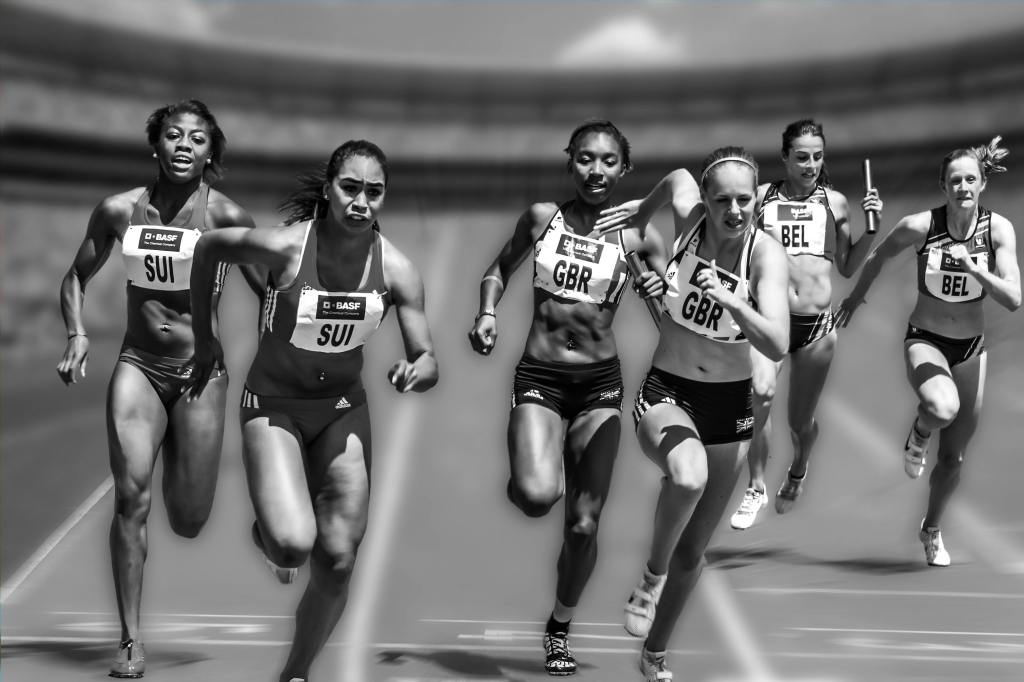
The 2024 Summer Olympics have just come to an end and they were nothing less than sensational (and somewhat dramatic). One of the reasons why they were so important is that there was a 50:50 representation of men and women competing, making them the first Olympic Games that reached full gender equality.
Women competed for the first time at the Olympic Games in Paris in 1900. In the 1900 games, women made up 2.2% of all the competitors, and they could only compete in tennis and golf as individual sports, as well as sailing and croquet as group sports. In this year Charlotte Cooper became the first female individual champion by winning the women’s singles tennis competition. Further on, more and more sports were added for women, such as archery (which was removed and added back repetitively), figure skating, swimming, and diving. In Stockholm in 1912, there were art competitions that were open to women, but there aren’t detailed records of their participation in them. When athletics were added in 1928, women were forbidden from 800-meter and longer races up until 1960, since they were considered unsuitable for them.
As time went on, women were open to all of the sports in the Olympics. But, some Olympic events remained closed to women, and in cases where both genders competed, men often faced tougher versions of the same event. For instance, men compete in the 110-meter hurdles, while women compete in the 100-meter hurdles.
However, even after lots of development, women continued to face unequal treatment. A stark example occurred in 2012 when the Japan women’s national soccer team, fresh from winning the 2011 FIFA Women’s World Cup, was made to travel to the London Olympics in economy class, while the men’s team traveled in business class. Moreover, cultural and religious factors have also influenced women’s participation in the Olympics. In some countries, particularly those with strong religious traditions, societal norms discourage or even prevent women from participating in sports. This is especially true in countries with a significant Muslim population, where conservative values often limit opportunities for women in athletics. However, global efforts to promote gender equality have encouraged more women from diverse backgrounds to participate in the Olympics. The increasing visibility of female athletes on the world stage has inspired more girls to pursue sports.
That brings us to the Paris Olympics this year. The 2024 Paris Olympics marked another significant step forward in the pursuit of gender equality in sports. The International Olympic Committee (IOC) ensured that the Games featured an equal number of male and female athletes for the first time in Olympic history, making gender parity a core aspect of the event. In addition to this milestone, the 2024 Olympics expanded the number of mixed-gender events, further emphasizing the importance of equality and collaboration in sports. Paris 2024 also introduced several initiatives aimed at empowering women, such as mentoring programs for female athletes and coaches, and increased visibility for women’s sports in media coverage. These efforts reflect the continued commitment of the IOC and the Olympic community to creating an inclusive environment where all athletes can compete on equal terms, setting a new standard for future Olympics.
The story of women in the Olympic Games is a story of resilience, progress, and the enduring fight for equality. As the OGs continue to evolve, the spirit of the Olympics – a spirit of unity and greatness – will guide the way toward a more inclusive and empowering future for women in sports.
Dela Dodevska
 VOICES
Leave a comment