
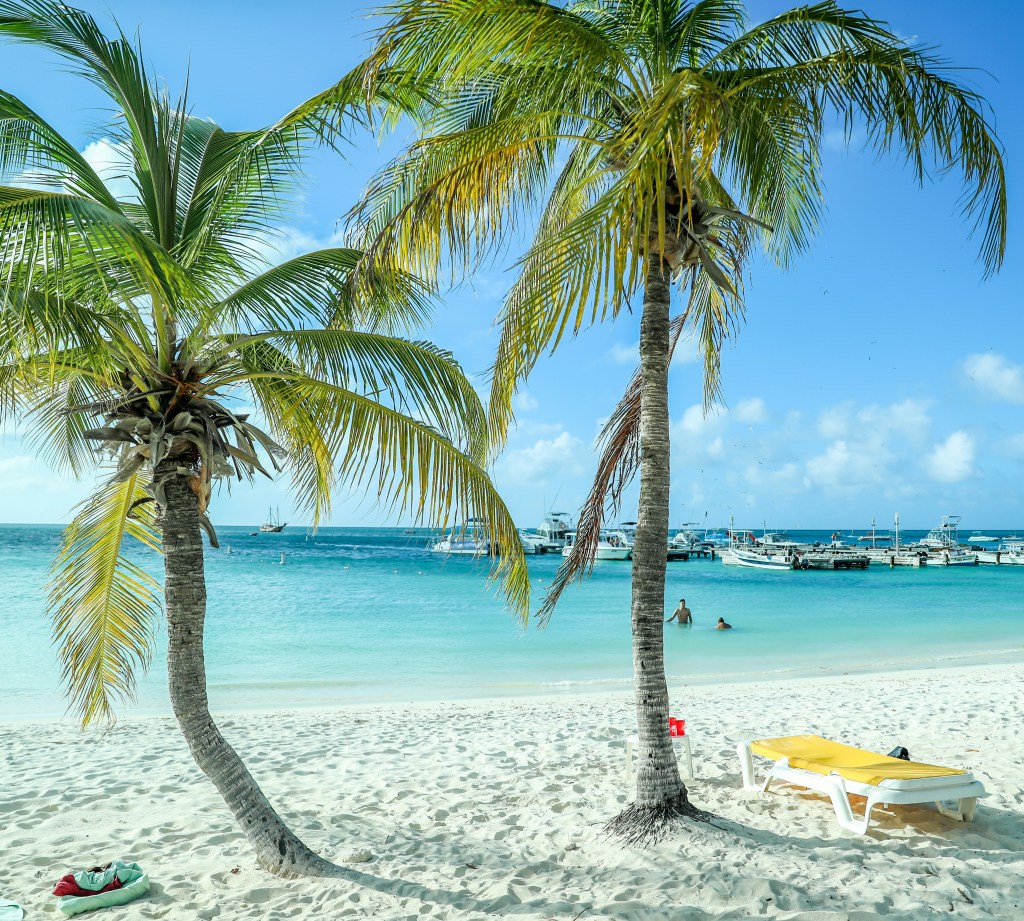
Aruba, a small island in the southern Caribbean Sea, is famous for its beautiful beaches, which often appear in travel magazines and tourism ads. This Dutch Caribbean island offers a beach experience that draws visitors from all over the world. So, what makes Aruba’s beaches so special?
Aruba’s location is key to its excellent beaches. Positioned outside the hurricane zone, the island enjoys steady weather with little rain and gentle trade winds. This means the beaches stay sunny and inviting all year round. Unlike many Caribbean spots that face seasonal storms, Aruba’s climate is perfect for beachgoers. The dry weather helps create the island’s unique landscape of soft, white sand and clear, turquoise waters.
A standout feature of Aruba’s beaches is their white sand. Beaches like Eagle Beach and Palm Beach are famous for their fine, powdery sand, which comes from coral and shell fragments that have been worn down over time. This sand feels soft to walk on and looks stunning against the bright blue Caribbean Sea. The water around Aruba’s beaches is also very clear, which is great for snorkeling and swimming. The clarity comes from the low amount of sediment and the gentle waves that keep the water clean. Eagle Beach is often listed as one of the best beaches in the world. Its wide, open shoreline is lined with low-rise hotels that don’t take away from the natural beauty. The beach’s soft white sand and clear water make it perfect for relaxing and water activities. The iconic fofoti trees, with their unique, bent shapes, add to the beach’s charm. Eagle Beach’s reputation is further boosted by its regular appearances on “best beaches” lists, like those by TripAdvisor and CNN.
Aruba’s beaches aren’t just about sand and water; they also offer great chances for snorkeling and seeing marine life. The clear water around Aruba is ideal for watching colorful coral reefs and various marine species. Popular snorkeling spots include the Antilla Shipwreck, a sunken cargo ship that has become a home for marine life, and the coral reefs near Boca Catalina. The rich marine life and easy-to-reach snorkeling sites add to Aruba’s beach appeal.
The cultural and historical background of Aruba also makes its beaches special. The island’s Dutch heritage influences how it handles tourism and hospitality, making visitors feel welcome. Local customs and traditions are often part of the beach experience, from local food served at beachfront restaurants to cultural festivals held on the sand. This mix of culture and relaxation offers visitors a unique and enjoyable experience. Compared to other Caribbean destinations, Aruba’s beaches are special because of their unique features. Many Caribbean islands have beautiful beaches, but Aruba’s consistent weather, high-quality sand, and clear waters make it stand out. The island’s location and focus on conservation and sustainable tourism help keep its beaches in top condition.
As an Aruban, I feel incredibly fortunate to have been born and to live my entire life on this island paradise. With its crystalline waters, powdery white sands, and stunning sea views that stretch as far as the eye can see, Aruba truly embodies a tropical haven.
Adalberto Haayen
Sources:
- “Aruba’s Beaches: A Guide to the Best Spots.” TripAdvisor. TripAdvisor
- “Why Aruba’s Beaches are Among the Best in the World.” CNN Travel. CNN Travel
- “Top Beaches in Aruba.” Lonely Planet. Lonely Planet
- “Aruba’s Marine Conservation Efforts.” Aruba Tourism Authority. Aruba Tourism
- “Eagle Beach: A Comprehensive Review.” Fodor’s Travel. Fodor’s Travel
 VOICES
Leave a comment