
Have you ever wondered why we hold on so tightly to the things and people in our lives? We tend to think that if something is good, it’s supposed to last forever. But what if that’s just a story we tell ourselves? Our society magically puts an equal sign between quality and longevity, but I’m not sure if I can agree on this. Yes, there’s something special about life-long friendships, but sometimes it’s a single conversation with a stranger that changes your life. Erasmus+ projects are a great example – after spending just a week with people you’ve just met, you often find deeper connections than with people you see every day.
I believe that a big part of this mindset comes from people’s fear of change. “Don’t quit your job, you’ve been working for years to get this position”. “You should finish your degree, you’ve already invested so much time in it”. We’re so afraid of potentially failing, that we give up our chances of something much greater happening. If you want to hear a more psychological explanation, maybe it’s because our brains are wired to associate familiar things with “good” and “safe”. Or perhaps, as a bias called “loss aversion” suggests, we’re more afraid of losing than excited about gaining.
But what if it’s consumerism speaking through me? This fear of change contrasts with our culture of instant gratification. We’re so used to thinking that we can always get something more, better, faster… as if something new will always bring greater satisfaction. We got greedy. Maybe one true love, one fulfilling career and a single hobby we’re truly passionate about are enough. No need for all the adventures and constant overstimulation. The truth is probably somewhere in the middle. I genuinely believe in living through exploring, though.
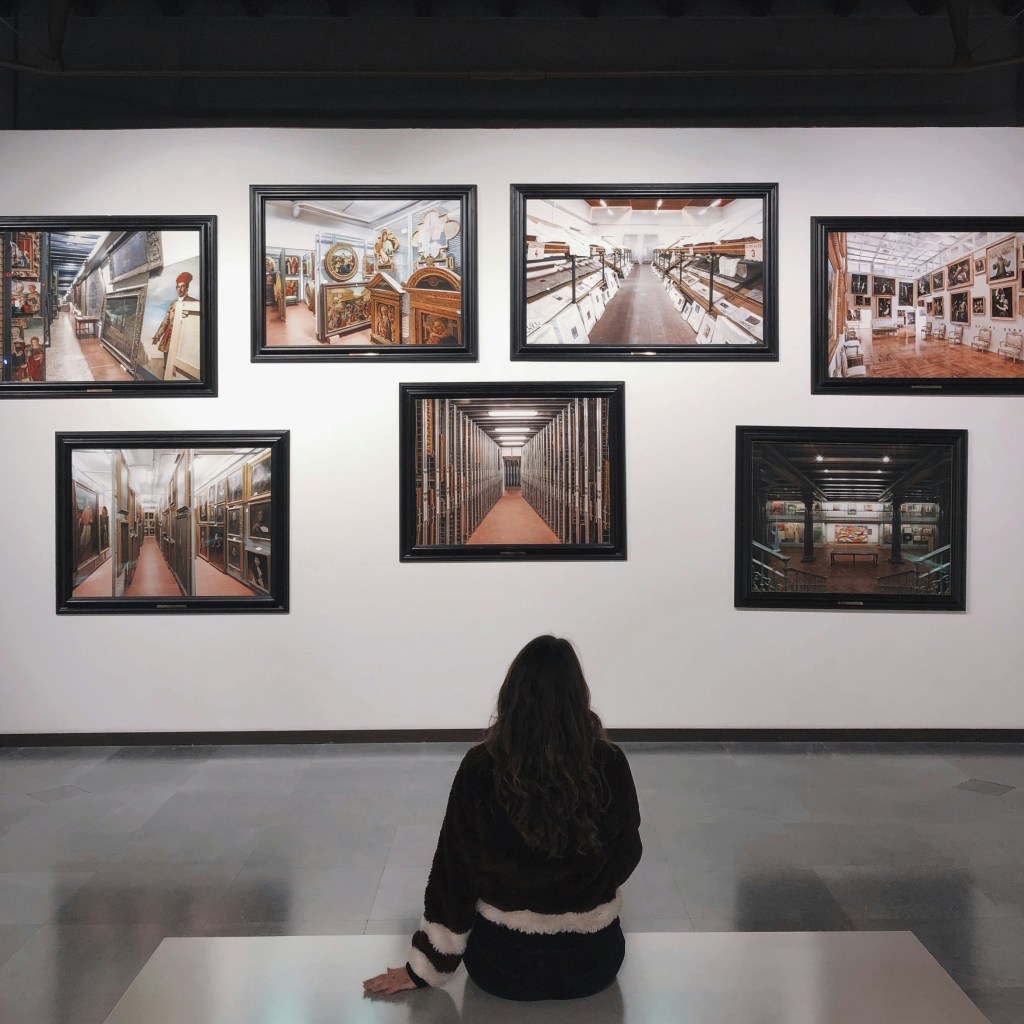
Perhaps you’ve come across a trend going around Instagram – posting your “museum of failure”. After years of observing picture-perfect lives on social media, it was like a breeze of fresh air to see people openly sharing what didn’t work out for them. Call me mean, but… it felt oddly comforting. I have my own “museum” as well.
I randomly gave up on drawing after a few years because it felt like too much pressure. I used to read books all day as a kid, but now I struggle to read even one a year. I stopped learning Japanese after a year in language classes, and now I barely remember anything.
We all have these things that we tried and failed, stopped doing even though we were good at them, or maybe dedicated years of our life to, but realised it’s not what we want. This simple social media trend didn’t bring us only the feeling of relatability. People quickly pointed out that maybe these are not the museums of failure, but galleries of trying. For example, I enjoyed drawing at the time, but over time found new hobbies that bring me more fun at the moment. Some experiences in life teach us useful skills, some are valuable lessons, and some are just meant to give us joy at the moment, as simple as it is.
One thought that I like to live by is that all of my experiences – no matter if they were good or bad – created the person I am now. Honestly, this saves so much time, because I’m not overthinking the past. Change is inevitable and accepting that things, people, and feelings in our lives may not last forever is actually freeing. There’s no need for permanence. Good things come to the end too, but I promise you, there are new ones waiting.
So, what’s in your own “museum”? And was it really a failure?
Anna Wojdziak
 VOICES
Leave a comment