
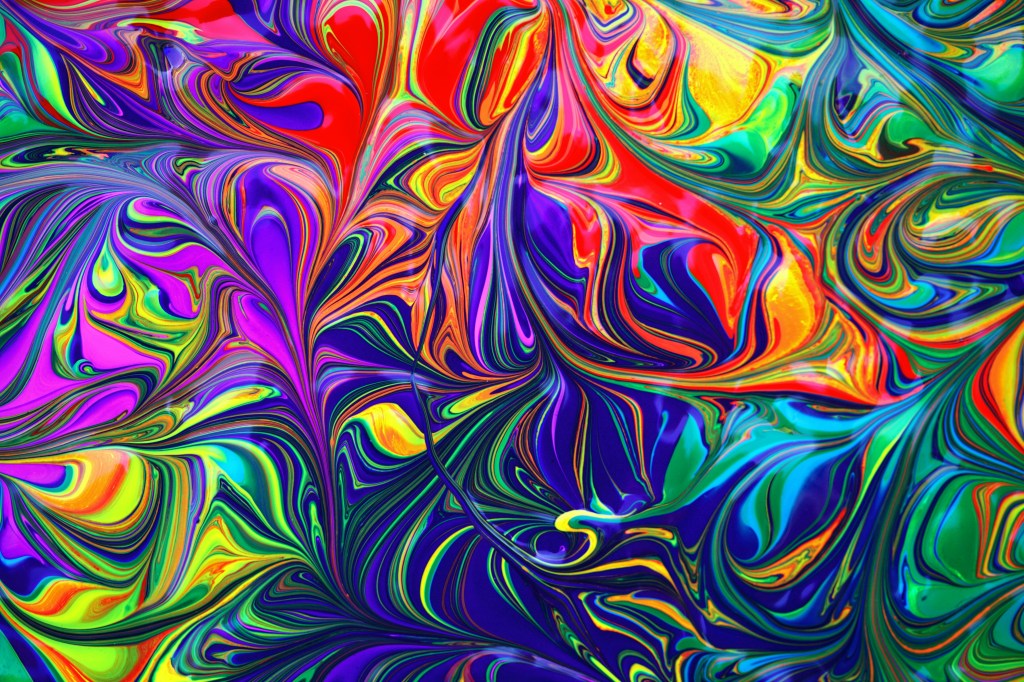
Have you heard about the relationship between colours and emotions? Artists and interior designers believe that colours affect emotions. For example, when you look at an object, a wall, or clothing that is blue you feel calm. But when you look at something red you feel nervous, excited, or powerful. THAT is the impact of the colours on our emotions!
Sounds cool, right? But the most important question is…
Who discovered this?
Carl Jung has been credited as one of the pioneers in this field for his research on the properties and meanings of colour in our lives. His studies and writings on colour symbolism cover a broad range of topics, from mandalas to the works of Picasso to the near-universal sovereignty of the colour gold. Jung attempted to unlock and develop a language, or code, the ciphers of which would be colours.
But before that, colour has been used for centuries as a method of treatment by the ancient Egyptians. There are documented “cures“ by the colour using painted rooms or sunlight shining through crystals as therapy.
Does it really work?
For instance, red is used to stimulate the body and mind and to increase circulation. Yellow is thought to stimulate the nerves and purify the body. Orange is used to heal the lungs and to increase energy levels. Other examples, studies show that colours increase blood pressure, increase metabolism and cause eyestrain in a lot of cases. It’s necessary to know that in places with different colours the emotions could change but a person’s perception of colour can be influenced by their own preferences, experiences, and associations and it can depend on the culture too.
School and marketing
Now let’s see how the colours could affect so many things…
In school, educators and educational institutions must take into account the psychological impacts of colour when planning classrooms, choosing instructional materials, and building digital learning platforms. The colour can improve readability of a text by 40% and the colour increases attention rate and assimilation of the reader by 82%.
In the marketing, up to 90% of people base their first impressions of a product on colour alone. And the wrong colours could send the wrong message, like using white to convey freshness in a culture where it represents death.
To show the importance of the colours in marketing let’s look into the colours the most bought by the consumers.
First: Red. Red is the most common colour that consumers buy. But why? In reality, this colour gets people’s attention and holds it. It tends to increase the heart rate and create a sense of urgency.
Second: Blue. Blue by its feeling calm, its stability, and its serenity, boosts sales. This colour inspires confidence and security, it’s used most of the time in the medical world and banking sector.
And the third: Yellow. Associated with the sun and at the light, yellow is a vector of positivity, energy and happiness. It’s the first colour to which babies react. For that, productors use this colour on products and toys for children.
Enough talking about humans, now let’s turn to our animal friends!
Animals and colours
First, animals use colour for a variety of communication purposes, including to attract mates, parent-young communication, recognizing individuals, defending territories, exhibiting aggression, camouflage, and warning predators of secondary defences such as poisons. In general, our pets are stimulated by yellow and calmed like us by blue. Colours haven’t a specific effect on animals, they just see less than we do, but colour theory works the same way. Both cats and dogs can see a variety of shades in grey, possibly more than we do, because their eyes are more rod-dependent. Having rod-dependent eyes also means that they see better at night.
How can colours be used in the animal world? Let’s see an example on one of the canine sports: dog agility course. In the canine sports, dogs must have a maximum of agility to take the obstacles in a certain sequence. Agility is where the handler has to guide a dog through an obstacle course as fast and as accurately as possible. An important thing to know: agility is open to all dogs! During the run, obstacles are the biggest part of the time. There are blue/purple (interesting fact: blue and purple looks identical for dogs) to struggle against anxiety and yellow to stimulate them. Thanks to this and the good indications of the handler, the dogs know which obstacle to take and finish in the best possible time.
Colours and emotions
A quick summary to know which emotions are represented by which colour:
- Green: Harmony, nature, growth
- Purple: Cool, spiritual, calm
- Yellow: Positivity, enthusiasm, happiness
- Pink: Fresh, feminine, playful, young
- Blue: Loyalty, professionalism, trust, sadness
- Orange: Optimism, friendly, warm
- Red: Strength, passion, love, danger
Now, try to do the test where you are, look at some colours and ask yourself in what mood you are.
Mathieu Trupin
Sources:
Color Psychology: Does It Affect How You Feel?
Color Psychology: How Do Colors Affect Mood & Emotions?
Psychology of Color: Τhe Impact on Emotions, Behavior, and Decision-Making
Colors and Emotions: How Different Colors Affect Perception and Mood | Looka
La couleur peut-elle élargir le spectre d’apprentissage en classe ?
 VOICES
Leave a comment