
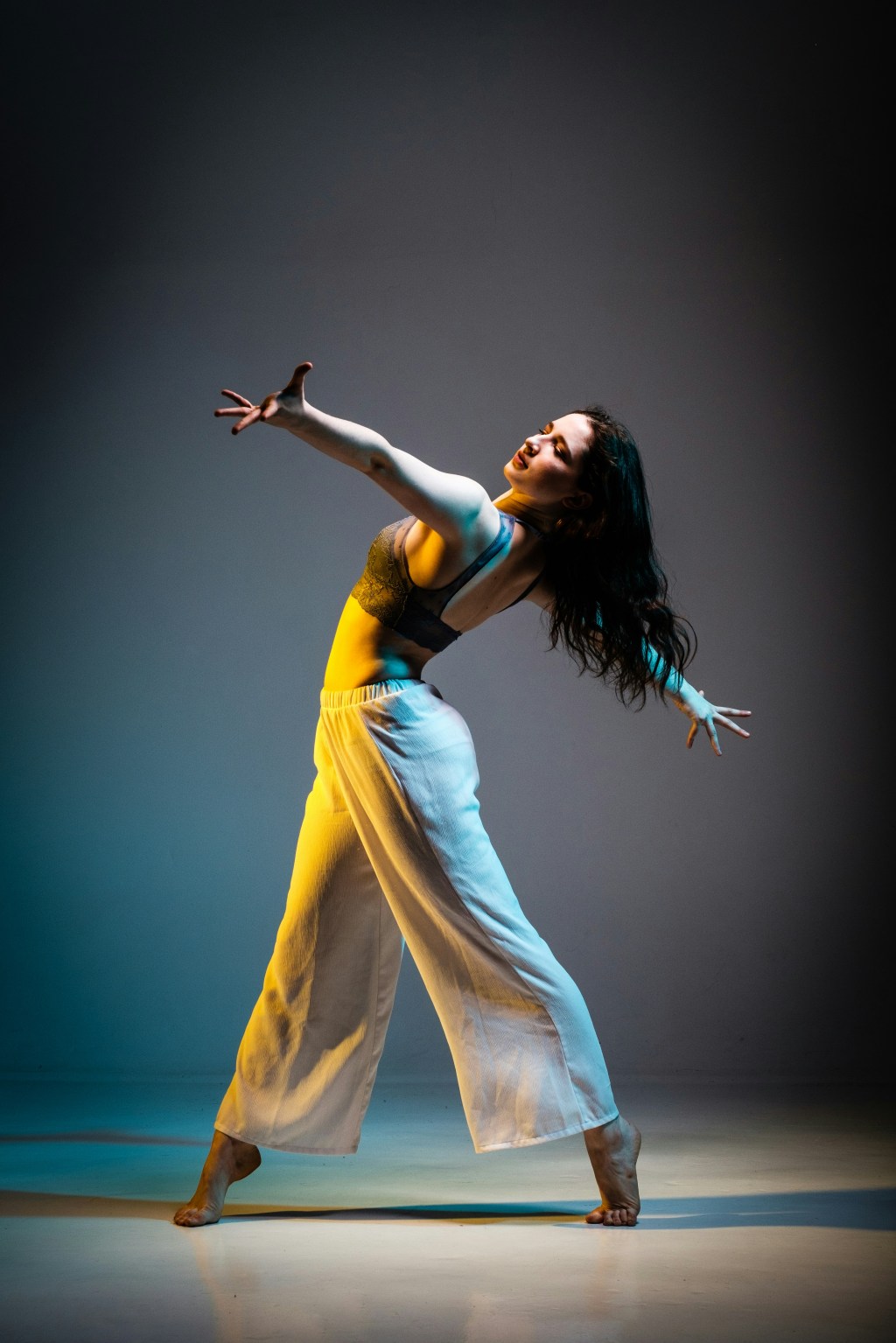
There is barely a culture without dancing. All of the ancient cultures developed dances apart from each other, but they all created them. This leads to the presumption that dancing is an essential part of society and culture. So how does dancing impact society and why?
The first sign of dancing was found in a wall painting in India, that can be dated to 9000 years ago. The Indian dance mirrors their culture and spiritual ideas. Also, ancient Greece and Egypt had their dances. While the Egyptian dance was mostly a religious dance, the ancient Greeks started storytelling with dance by including it into their theatres. As Aristotle describes: “Dance is a rhythmic movement whose purpose is to represent men’s characters as well as what they do and suffer”.
Firstly, dance and society are impossible to separate from each other. Dance started together with society. When society changes, the change is mirrored in the evolution of dance and also the other way around. Therefore, the first use of dance is that it shows the state of the society and it reflects views and problems in the society.
Dance is a form of communication. In the early ages, people used dance as communication before they developed a verbal language. Through this unique way of expression dance still communicates on levels that a verbal language can’t reach. It touches the observer in an emotional way, but also automatically makes them think about what they see. With this, dance has unique abilities that have influences on society.
Dance is often used to address social problems or inequalities and to advocate for human rights. This kind of dance is called protesting dance. It unites activism and the art form of dance and has a great impact on society. For example, Hiphop dance was founded in 1970 in Afro-American communities as an expression for the resistance against social inequality and discrimination. Dance is a powerful medium for empowerment and raising awareness. It gives people the possibility to express their feelings and opinion on a problem, so it increases social and political participation as well as the impact of these participations. That’s why dance is also described as a catalyst of social change.
Another important use of dance is storytelling. With dance you can express stories and feelings or emotions in a deep way. Already the ancient Greeks used to dance in theatre, because it conveys a lot of feeling to the audience. This has many different impacts on society. On the one hand, people can escape from reality (as it was done in the early ages of Ballet), and on the other hand, they get united, because they all feel similar emotions. Additionally, stories are staying alive when expressed in dancing, and even getting improved because new dancers involve new aspects in the story.
Not only the preservation of stories is a use of dance, but also in general the preservation of culture and tradition. Dance is an important part of most traditions and cultures and sometimes religions. Dancing together builds community. This can result in separation from other cultures as well as in a positive impact on society, made by living their traditions or cultural exchange. When globalisation happened, dance was exchanged and new dance forms combining different dance styles like contemporary were invented. Dancing made cultural exchange easy and it profited from it through getting more diverse and innovative.
Through dance the community is built or strengthened. Dancing in a group, you get a feeling of belonging, support and solidarity. It unites you, because while dancing everybody is feeling similar. People communicate with each other through dancing and you grow closer to them. During dancing, you exchange emotions and experiences. It is scientifically proven that you feel closer to people when you have danced with them. Regarding that, dance leads to more social interaction, which supports the community on the one hand and helps individuals find new friends or deepen relationships.
This uniting aspect of dancing even crosses social borders. Tango for example was founded in the late 19th century in poor districts of Buenos Aires. It spread quickly and united people from different social backgrounds and overcame the social barriers.
Finally, what can’t be forgotten about are the individual benefits of dancing, that inferences society indirectly, because you have physically and mentally healthier individual people. Through exercising while dancing physical health is improved. Additionally, dancing should be an activity that is fun or ventilates feelings, which is really good for your mental health. Also, the automatically increased social interactions contribute to that.
Dancing is a basic human form of behaving, either to communicate, have fun or express feelings or a message. It is impossible to separate it from society, because it is an essential part of expression (communication) and culture. With dancing, you can tell a story or express feelings in a unique way. It can be used to advocate for human rights or other topics, or to help people feel emotions and escape from reality. Dancing unites people and strengthens a community by overcoming social borders and improving solidarity. Through traditional dances people feel more as part of a community. With personal benefits, society is supported indirectly. So overall dance is strongly intertwined with society and in total has an important positive impact on it. Dance will always be a part of society and culture. It’s gonna adapt and change, but it will always be an important form of expression and a fun, uniting activity.
Maike Seuffert
Sources:
Weencrypt – Die Bedeutung von Tanzen in der Gesellschaft
Aithor – The role of dance in human society
The guardian (Life) – The role of dance in the culture of human society Dancefacts
Rockstaracademy – Introduction to dance history, meaning and types
 VOICES
Leave a comment