
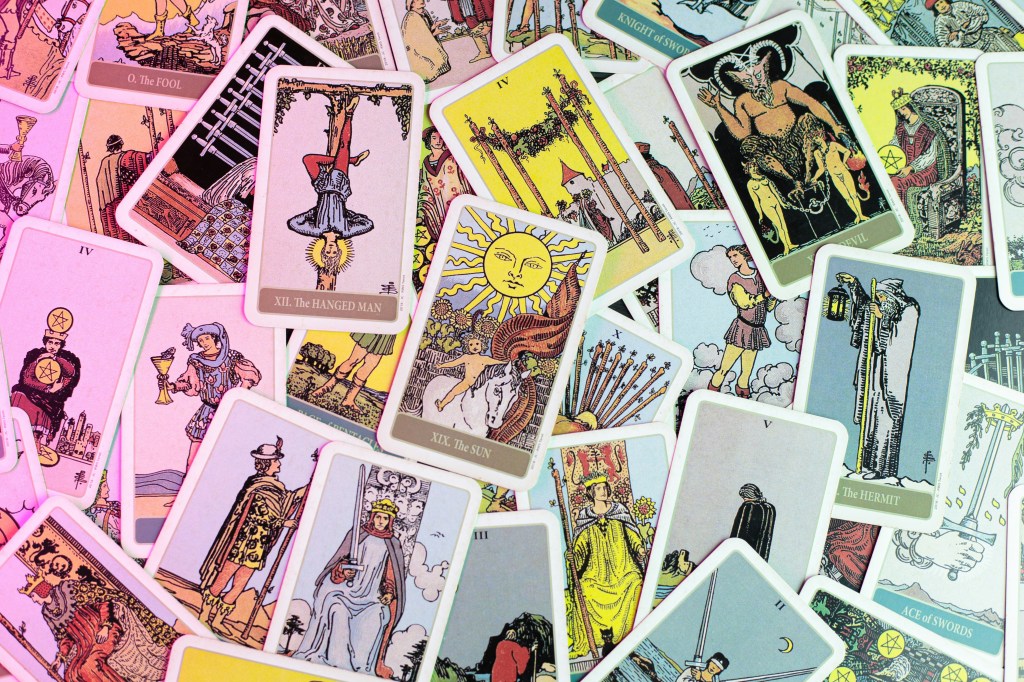
You’re entering a transformative period in your life. Challenges may arise, but your determination will get you through it. Someone close to you will offer support when you least expect it.
Maybe you’ve read something similar in your horoscope or heard it from a fortune-teller. It feels personal, doesn’t it? Like it’s talking about you. But if you look closer… well, it could apply to almost anyone. This is the magic of the Barnum effect, one of the reasons why so many people believe in horoscopes, zodiac signs, psychic readings, fortune-telling, and even those sketchy “What’s your true personality?” online tests.
But let’s start by quickly going back in time to 1948, when a psychologist Bertram R. Forer did a little experiment on his students.
The experiment that fooled everyone
Forer told his students to fill out a personality test. Afterward, he handed each of them a “personalized analysis” based on their answers. The catch is that everyone got… the same analysis. Some sentences you could find in it were “You have a great need for other people to like and admire you” or “You have a tendency to be critical of yourself”.
At first glance it might sound personal, but in reality it’s vague enough to resonate with nearly anyone. The results of the experiment were quite surprising – students rated the accuracy of their analysis as 4.3 out of 5. Forer’s experiment proved that if something sounds personal, we’re likely to believe it – even if it’s as generic as a fortune cookie.
Why does it work?
This phenomenon plays with our brains on multiple levels. First of all, the statements feel personal because we unconsciously connect them to our experiences, especially if we think the result is prepared specifically for us. Secondly, we’re naturally willing to trust authority figures. Whether it’s a psychic or a person giving us a personality test, we tend to trust the source because they sound like they know what they’re doing. Lastly, most of these analyses focus on positive traits, and who doesn’t like hearing flattering things about themselves?
The role of confirmation bias
But that’s not all. If you’ve read some horoscopes in your life, think about them again. Did you, by any chance, catch onto the parts of your horoscope that seem accurate, and completely ignore the rest? That’s what confirmation bias is all about. It’s our tendency to focus on information that supports what we already believe in and not notice anything that doesn’t fit.
For example, if your horoscope predicts “unexpected financial gain”, you’ll probably think of the 100 denars you found in your coat pocket, and conveniently forget about the fine you got for taking a bus without a ticket later that day.
The cold reading game
The ability to make generalized statements feel personal isn’t limited to horoscopes or personality tests. It’s also the base of cold reading – a technique used by psychics and fortune-tellers to sound like they’re reading your soul, while they’re just playing the guessing game. They’ll start with vague statements like “I see someone whose name starts with A” and watch your reaction. If you nod or say “yes, my boss Andrej”, they’ll build on that. An experienced cold-reader can easily find out information about the person based on things like their clothes, body language or way of speaking.
Finding your own way
The Barnum effect gives us insight into why these things might resonate so deeply with us, but it doesn’t mean they’re any less important to those who believe in them. Whether you look to the stars, trust your instincts or find guidance in other ways, what matters is that it works for you.
Let the stars guide you – or don’t – it’s your choice. Just trust your own journey.
Anna Wojdziak
Sources:
Dickson, D. H., & Kelly, I. W. (1985). The ‘Barnum Effect’ in personality assessment: A review of the literature. Psychological reports, 57(2), 367-382.
Wikipedia – Barnum effect
Wikipedia – Cold reading
 VOICES
Leave a comment