
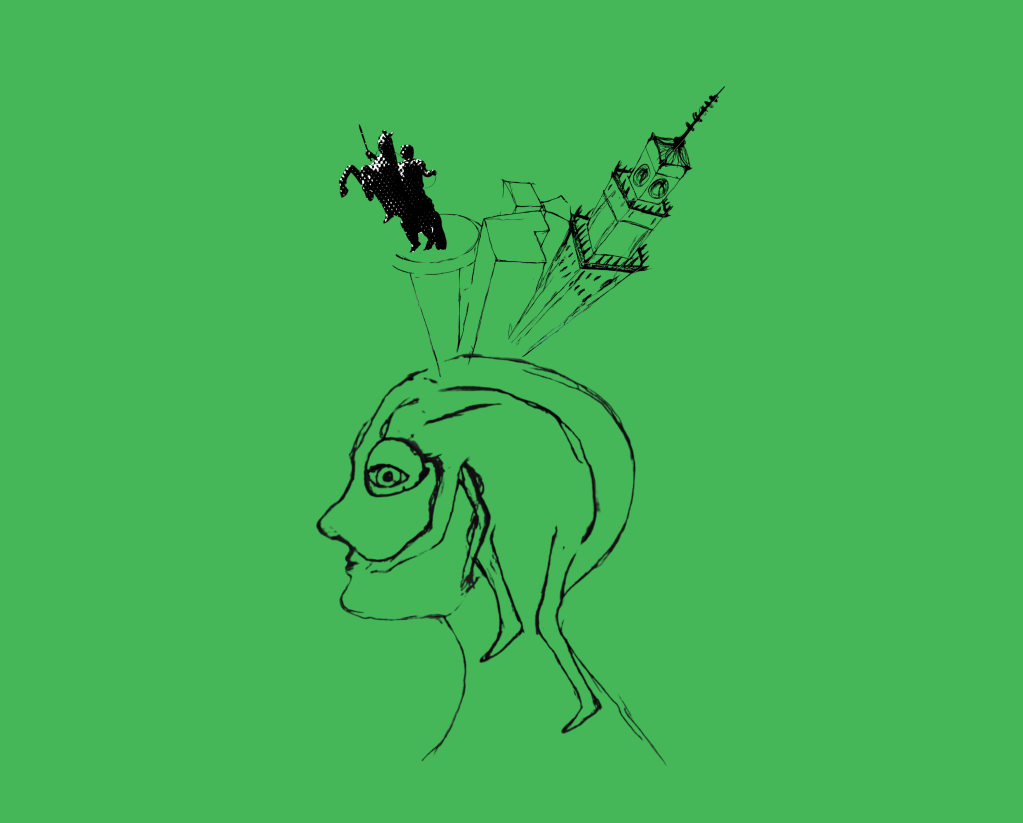
Primitive human – hunting and gathering
We share 99% of DNA with monkeys and chimpanzees. Beginning from the first human (2,5 mln years ago), our needs haven’t changed that much. Primitive humans had to practice hunting and gathering to survive, it was their main life area. Along with slowly disappearing sexual dimorphism and increasing the mental faculties, humans started to create more organized groups which gave them big predominance on other hominids, and contributed to excluding them with time. It means that we always had to be on the move, we were living in groups with a profound need to belong and to reproduce. That’s why we survived.
Humans have always followed their choices with emotions or instincts. Did you know that throughout evolution we have developed primordial emotions, which remain independent of culture or environment? They include pain, fear, hunger, anger, contentment and happiness. This term was invented by Derek Denton – professor from Melbourne University in Australia in his book “The Primordial Emotions: The Dawning of Consciousness”. His theory assumes that instinctual emotions are fundamental to our awareness. However, because of cerebral cortex growth throughout evolution, more complicated processes like imagination and perception were able to emerge, shaping our consciousness. So, everything begins with primordial emotions.
Instinct – innate ability – characteristic of humans and certain animal species – for unlearned, intentional actions that allow both the individual and the entire species to survive in the environment (translated from Polish dictionary WS JP).
How does it look now?
Human “regression”
Now, we live in different conditions that enable us to be more comfortable in a lot of ways, especially through technological progress which we made as human species. However, we ceased to care for nature and our health. Convenience became the most important factor in decision-making. The times are changing, but the needs? Not exactly.
It turns out that “highly civilized” humans live in artificially created conditions and because of that they have a problem with survival instinct. It’s an effect of excess data and chaos in the sphere of values.
How to live in harmony and grow your primitive human abilities?
The art of surviving; bushcraft/ survival – As people return to primitive instincts
In the last few years we can see a new trend that more and more people are interested in: survival or bushcraft. I think that it might be connected with towns growing more and more – in Poland we call it “betonosis”. In general, our everyday life drifts apart from living around nature and primitive needs which are not attended to but still exist in subsconscious. People need relief from the noise and infrastructure. We can find something only when we go out to the muted and organized world of nature.
“Leave no trace”
Bushcraft is the art of long-term living in the wild, using natural resources away from civilization at the same time protecting nature in which we live. Survival method is based on basic human needs in a way similar to how indigenous people have done for thousands of years.
There is a so-called “Big four” rule to survive – shelter, water, fire, food. For example: building shelters, fire crafting, making tools from natural sources, hunting traps, food and water foraging. Maybe it’s better to say that bushcraft teaches how to be… wild again?
But who is a bushcrafter?
Bushcrafter is a forest explorer. They absorb knowledge from personal experience, from past generations, scientific research and the modern world. They reduce the use of modern tools, merely guiding them through the process. As such, their sense of safety and confidence is independent and their sense of resourcefulness is developed without reliance on external help. Bushcraft teaches that you become someone when you start to understand the forest without unnecessary violence and destroying nature.
“The more you know, the less you have to carry. The less you know, the more you have to carry.” – famous bushcrafter , Mors Kochanski
How can you benefit from bushcraft?
– Empty your mind from unnecessary noise, social media, too much information that come to us every day from every side (overstimulation);
– Get rid of material objects (simplicity, minimalism) – experience and understand that we don’t need a lot of items to survive and be content;
– Be in the present not in the past or future, through natural meditation, everyday focus on things that we see around us; it’s a state when we can stay in natural environments and in being able to look after yourself and have skills; it teaches us that in the forest we are participants not observers;
– Use forest bathing to connect with nature; place where we impact our way of thinking in the very direct way, it might even have an impact on our physical state;
– Develop creative thinking and problem-solving skills, because DIY is the way of life!
“Silence is the storm that breaks down our dead branches and sends our roots deeper into the heart of the living Earth.” – Khalil Gibran
Okay, so you could ask me, if I want to, how should I start? There are a lot of organisations and groups that associate people who are interested in the art of surviving. You can easily find them in your country on social media. I found a lot of groups on Facebook and their websites on search engines. In addition, if you are looking for some places where you might pitch up for a few days you can look for legal regions at your state forests website or forestry management website. Sometimes you can also do survival training to practice your abilities. It gives you the opportunity to experience difficult situations and figure out on your own how to handle them. It’s good to search the forest and get to know it at the same time. So, it’s your sign to start your first adventure with bushcraft! It’s very simple, trust me everybody can try!
Karolina Kubera
Sources:
Wikipedia – Bushcraft
 VOICES
Leave a comment