
We’ve all seen them at least once in our life, you know those old men that randomly observe construction sites. You’re most likely to see them with their hands crossed in the back. And if you were to ask them what they’re doing they would probably tell you that they’re just making sure that the work is done properly.
While I’m sure that you’re all visualising what I’m talking about in this short description, most of you probably don’t know yet that there’s a word to describe them. You’ll be even more surprised to learn that this word is not just a word anymore, over the years it has become a cultural phenomenon.
So, what is this mysterious word that I’m talking about?
umarell [from the bolognese ‘omarello, ometto’ (a man of little height, a little man/guy)] s.m (pl.inv or pseudo english. umarells) – (bolognese) pensioner who prowls, mostly with his hands behind his back, at construction sites, asking questions, giving suggestions or criticising the activities that take place there
(definition is from the 2021 edition of the Zingarelli dictionary, quoted in the Treccani article, the translation into English was made by me)
Now, you might ask yourself how did a simple word from bolognese dialect like umarèl, managed to reach international audience, to the point of ending up being included in the 2024 edition of the Språkrådets nyordslista – the annual list of new Swedish words – published by the Language Council of Sweden.
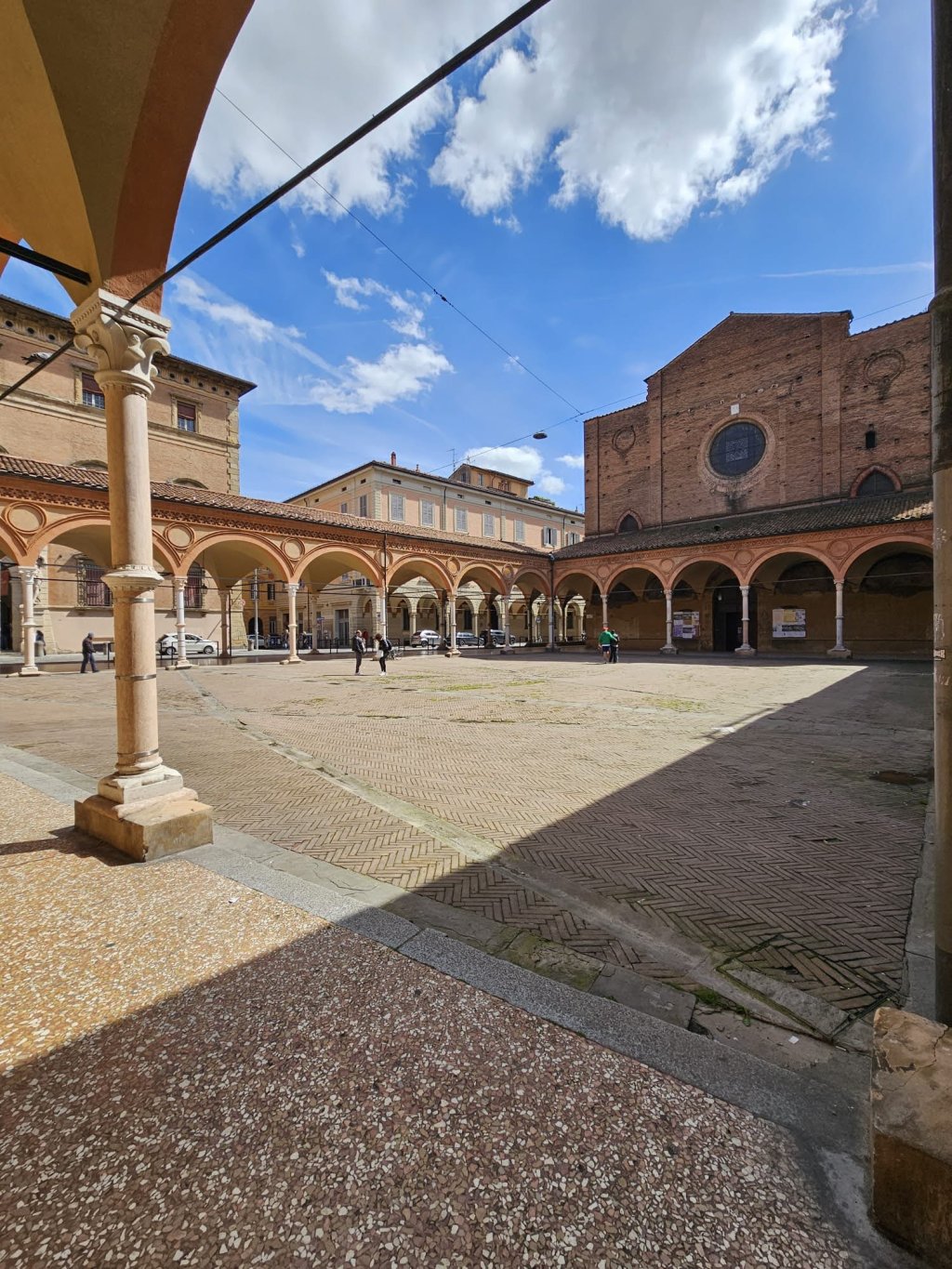
Well, we have to thank Danilo Masotti for this neologism, as he was the one to craft precise descriptions of umarells through the years and across different mediums. From a blogpost that started everything in 2005, umarells have now become the protagonists of several books written by Masotti, and the subject of his interviews. In 2018, they even got their own square in Bologna “Piazzetta Degli Umarells”.
In some cities umarells are even employed to keep an eye on construction sites, for example in 2015 the city of Riccione, on the Riviera Romagnola, assigned a budget of 11,000€ to pay a wage to umarells. Furthermore, and still in Riccione, a so-called “Operazione Umarell” was created by the organisation “Uniamo Riccione” (Let’s Unite Riccione). The goal of this operation is to create a sense of community between the citizens of the city, and to allow citizens to be more involved in the daily life of the city. Some other cities also hosted “Umarell of the Year” competitions, and probably some other similar actions as the ones that Riccione put into place.
However, I feel like an article about umarells cannot be complete without at least mentioning their female counterparts: le zdaure. Because as Masotti mentioned in one interview, “behind a great umarell, there’s always a great zdaura”.
zdaura/arzdora/azdora originally (the word seems to have some “countryside” roots) the ruler of the household, also in charge of feeding it
Though less comes up when you search about the word, or similar neologism to umarell, you can still find some pretty interesting articles describing them (like the ones in my sources), or see Masotti referring to them in his interviews once in a while. And who knows, maybe one day the word zdaure will know the same cultural phenomenon as umarells.
During my research for this article, I was surprised to find many musical projects named after these two words. First, I came across the post-punk/ underground duo “Umarell & Zdaura” (though I’m not sure it still exists today). Then, I found the UK based indie band Umarells. Later, I also found another electro/ post-punk artist named Umarell, but this last one is based in Italy.
I was really surprised to discover that some bands that aren’t based in Italy would be named after this “random” dialect word that became popular. As it’s very random, at least in my opinion, to name your project after umarells if the project has no connection with italianness. Though I think the most random thing I found that is related to the presence of umarells in music was the parody of a Måneskin song that was made on one program of the “Swiss Radiotelevision of the Italian Language” (RSI).
In a way, we could say that it’s things like this that keep dialects alive. Sure, some might say that now the word has lost its original meaning, however, it has also gained new appreciation even outside of Italy. Though I would have never expected to discover so many little facts and anecdotes about such a simple word, that I randomly discovered on some Instagram post.
P.S: Shortly after writing this article I went to Bologna, and as you can imagine I had the idea that maybe I would see some umarells out in the wild. But, to my great disappointment, I didn’t see any umarells in their natural environment.
Chloe Gaschy
Sources:
Umarèll, la parola in cantiere – Treccani
Il vangelo dell’Umarell, secondo Danilo Masotti
Umarell: Italy’s Civic Heroes or Municipal Meddlers? – Italy Segreta – Culture
Umarells per sempre | Umarells forever | Danilo “Maso” Masotti | TEDxBologna – YouTube
LE PILLOLE DEL MARTEDI’ – VOCABOLARIO BOLOGNESE – Umarèlls – lifestyle – cercacasa.it/news
Umarell Song – Moleskin | Rete Tre | RSI
la zdaura col trucco – mogliedaunavita
L’Arzdora romagnola … | le portrait inconscient
Chi sono gli Umarells: vecchi dentro, giovani per sempre
Riccione, campagna elettorale con gli umarell: «Ne cerchiamo 200 per segnalare i problemi» – CorrierediBologna.it
 VOICES
Leave a comment