
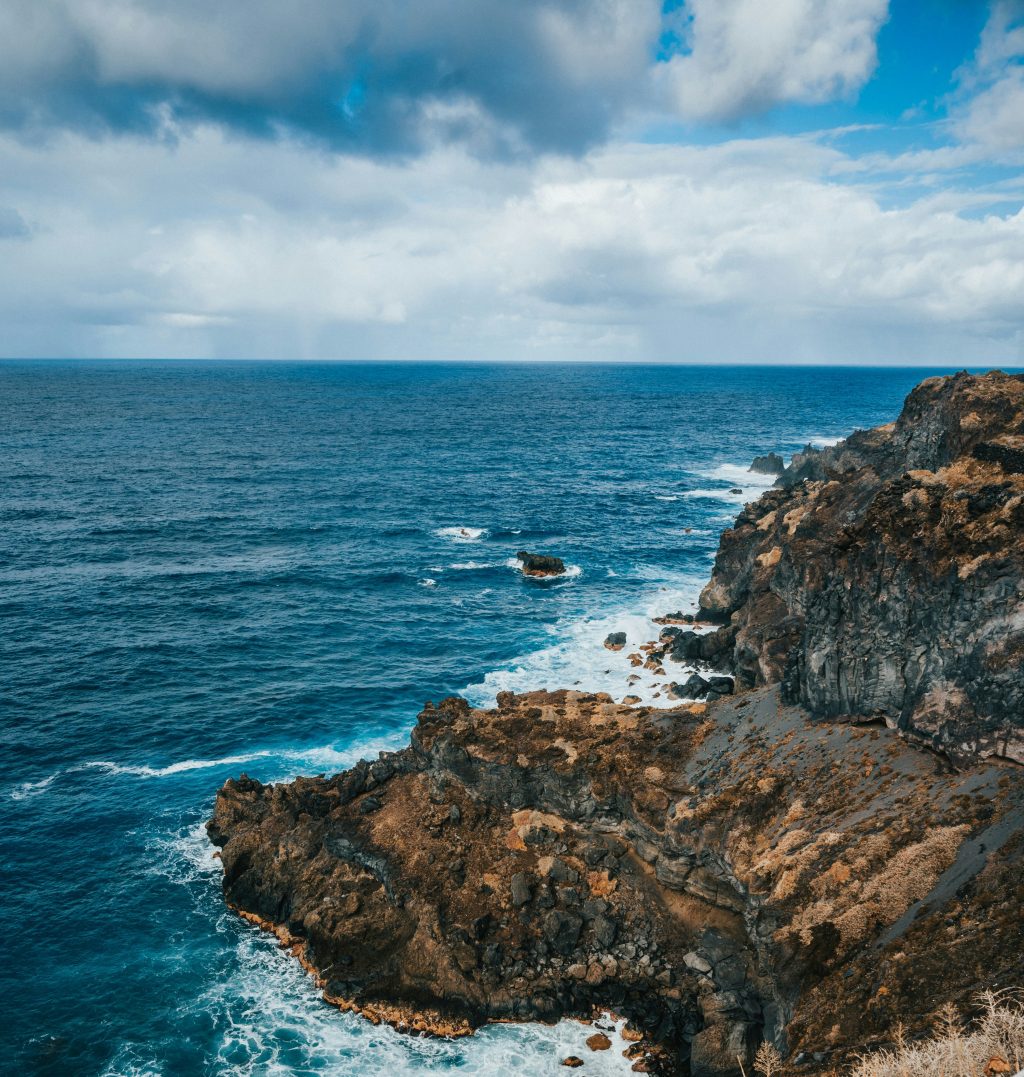
We all have probably heard of these islands when David Attenborough, a famous biologist, made a series about them—it was one of his most popular series since these islands had one of the rarest species of fauna and flora.
What exactly does this island uncover and why is it so special?
Location of Galapagos Islands
The location of these islands itself offers a rocky surface as a consequence of many volcanic eruptions in the past. These volcanic activities and the locality of the islands itself make it a perfect habitat for many rare species like the giant tortoises, marine and land iguana, Galapagos sea lion, blue-footed booby and many more species that can only be found on these islands.
There are in total 19 islands that are in the Pacific Ocean thousands kilometers from the country Ecuador.
Marine iguanas
These species are the only species of lizards that have the ability to swim and live in the oceans. Not only that—the marine iguanas can only be found on the Galapagos Islands. They may seem as scary creatures with their big eyes, sharp claws, and spikes on their back but in fact they are social creatures and very friendly to humans. Their favorite food is the sea algae that they search for very deep into the waters and can even stay up to 30 minutes underwater!
Marine iguanas can also change their colours during the breeding seasons to red, green and even turquoise, similarly like the chameleons. They can be very fast in the water reaching up to 30 kms per hour, which is very impressive for a lizard! When they get a little exhausted from the speedy swims they just lay on the rocky shores and enjoy the sun while absorbing the light with their dark skin. Isn’t that so pleasant?
Galapagos giant tortoise
There are many species of these giant tortoises on the Galapagos Islands, which arrived on the islands around three millions of years ago. They are very popular because of their enormous sizes which are nowhere seen except on these islands. You may be familiar with the 100-year old tortoise George that met David Attenborough—that was the last living representative of the Pinta island species.
The giant tortoises are very chill animals that just love to eat lots of vegetation. Their big necks allow them to reach high-growing plants and survive in these conditions. They love to stay in the mud for a while as it helps them keep an optimal temperature during the biggest heats of the day.
The Galapagos giant tortoises are highly protected due to their near extinction in the past centuries—they were a source of food and material to the humans and a big number of them were killed. Luckily, now they are under protection by many laws and are a part of the Galapagos National Park.
Blue-footed booby
This funny named sea bird really does have blue feet which is very unusual in nature.
These species live mainly in South America down to the main breeding place—the Galapagos Islands. What is really interesting about this bird is that the more intense blue colour on their feet the male birds have, the higher the chances of them getting a female partner.
Their diet mainly consists of different types of fish that they catch while throwing themselves into the waters. They also do not make nests like any other birds—actually, they just lay their eggs on the ground.
During the breeding season, male boobies do really fun dances and rituals using their feet to attract the females. The dance is about spreading the wings, tapping their beaks and feet, and finally, whistling.
When humans firstly had contact with this species they thought of them as silly and clumsy birds, as in Spanish “bobo” means stupid. In fact, these are really intelligent birds that can manage to live in very difficult conditions.
The Galapagos Islands show us a whole new dimension of life that thrives there and day by day we get more and more fascinated by the rare species that live on the islands, as well as their unique capabilities and features. Although there are numerous laws for protection and national parks for these islands, it’s important to educate others about their value—especially when Charles Darwin theory of evolution was based on these islands.
They are literal treasures that are our and the future generations responsibility to protect and ensure that these islands are in safe hands as they offer extraordinary eco-systems.
Lara Mihajlovikj
Sources:
Galápagos Islands – UNESCO World Heritage Centre
Marine iguana – Galapagos Conservation Trust
Marine Iguana | World’s Only Ocean-Swimming Lizard
Galapagos giant tortoise – Galapagos Conservation Trust
Galapagos Islands | Location, Animals, & Facts | Britannica
Galápagos tortoises, facts and photos – National Geographic
Blue-footed Booby – Sula nebouxii – NatureWorks
Blue-footed booby – Galapagos Conservation Trust
 VOICES
Leave a comment