
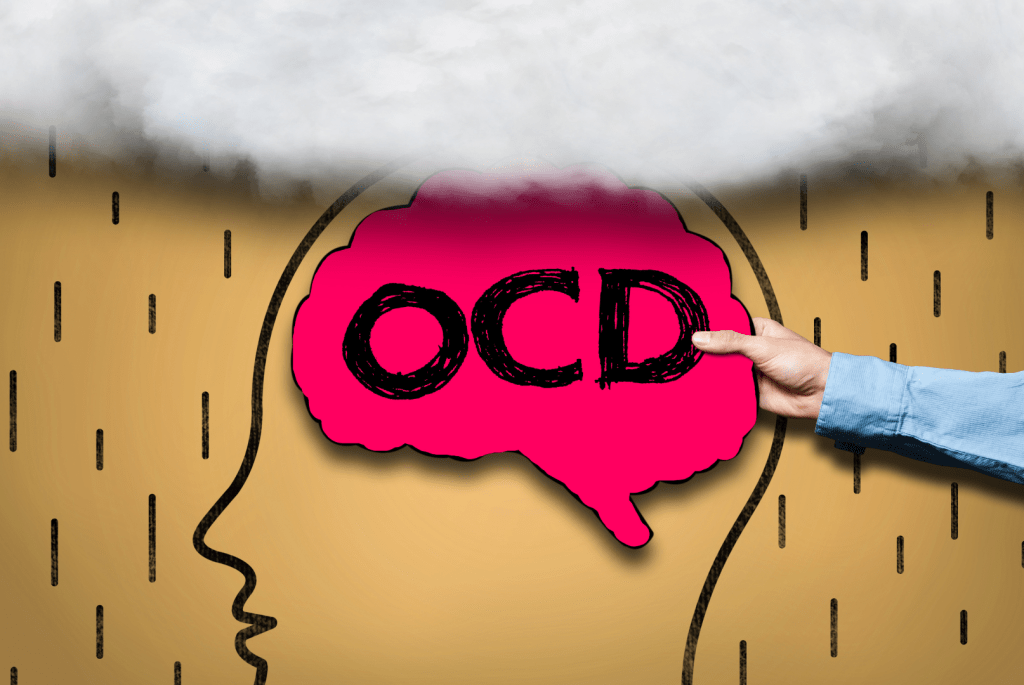
Obsessive compulsive disorder (OCD), has recognised as a mental issue with obsession and compulsive acts. Approximately 2% to 3% of the population of the world has this disorder and demonstrates a chronic process.
Actually, OCD has a quite bizarre history. First of all, it dates back to the 19th century. However, at that time the knowledge was so limited about definition and treatment of disorders. Later in the early 20th century, Sigmund Freud began to examine OCD with other psychoanalysts. Freud tried to explain “obsessive“ and “compulsive” with psychoanalyst theories. That improvement was the first step for OCD. However, the modern definition and treatment of OCD has improved over the years. In 1980, the American Psychiatric Association acknowledged OCD as a separate disease. Then, it defined the symptoms in more detail.
OCD is a mental illness characterized by obsessive thoughts and compulsive behaviors caused by these thoughts. OCD, which can limit daily life functionality, can cause significant problems in work and social life and reduce quality of life. Here are a few basic characteristics of OCD.
Obsessions
OCD patients experience constantly recurring thoughts that they cannot control as obsessions. These thoughts usually disturb the person and cause anxiety. For example, obsessions such as fear of being dirty, fear of contracting a disease or extreme perfectionism are common.
Compulsions
OCD patients repeatedly perform certain behaviors in order to eliminate or reduce obsessions. These behaviors are called compulsions. For example, compulsions such as washing hands excessively, repeating numbers in a certain order or arranging objects are common.
Although the cause of OCD is not fully understood, biological and environmental factors are thought to be effective.
Now, let’s talk about the causes of OCD. It has, basically, four main causes. The first cause is genetic factors. Genetic predisposition may increase the risk of OCD. It is known that this disorder is more common in people with a family history of OCD. The second factor is biological and neurological. Chemical imbalances in the brain and changes in neural communication can play a role in the development of OCD. The third factor is environmental. Stressful life events, traumas and bad experiences in childhood can increase the risk of OCD. These factors can trigger the emergence of OCD symptoms. The last factor is the psychosocial factor. A person’s thought patterns, beliefs and lifestyle can also be effective in the development of OCD.
Remember that OCD can vary from person to person and is caused by the combination of multiple factors. For these reasons, there are four very common treatments for OCD: cognitive behavioral therapy, medication, eye movement desensitization and reprocessing therapy, and cognitive behavioral therapy. Cognitive behavioral therapy focuses on changing negative thought and behavior patterns by addressing obsessions and compulsions. CBT helps patients cope with their obsessive thoughts and teaches them to manage these thoughts. In some cases, antidepressants and anxiety medications can help manage symptoms. Medications that regulate serotonin levels are particularly useful in treating OCD. Eye movement desensitization and reprocessing therapy, addresses obsessions and compulsions associated with traumatic experiences. It can help a person make these thoughts less distressing. Finally, cognitive behavioral therapy is another type of therapy used to treat OCD: a therapist helps a person identify and manage their obsessions and compulsions.
Many people today suffer from this disorder for various reasons. However, remember that OCD is a lifelong condition and can be treated. It is important to seek professional help when you need it.
Mustafa Gündoğdu
Sources:


Leave a comment