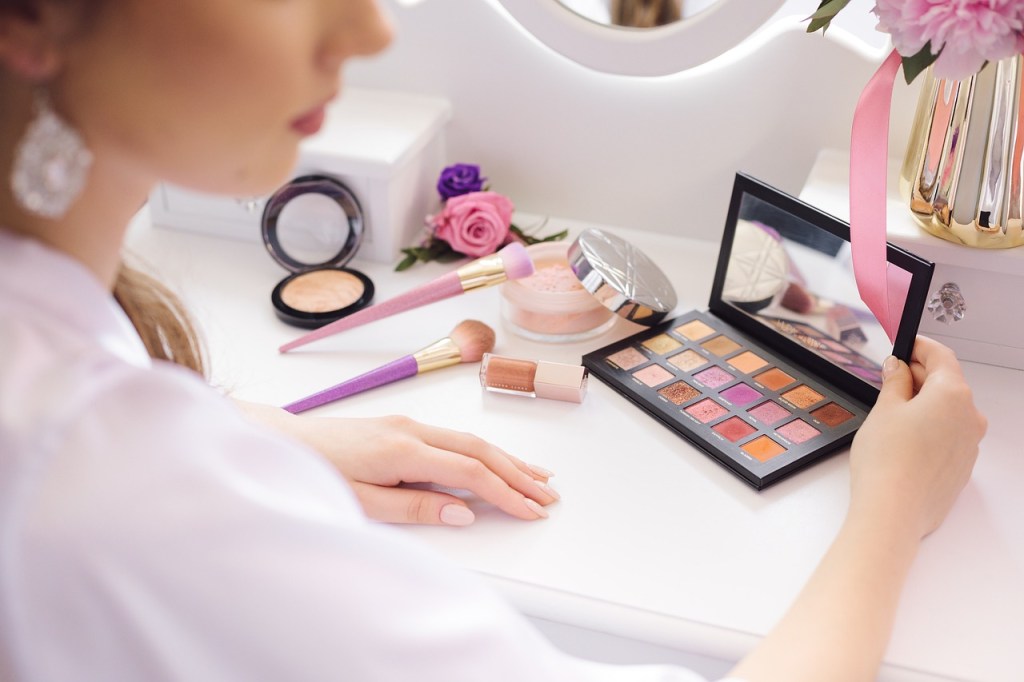
How often have we gone to a beauty store to buy a product we’ve seen go viral on social media? That one magical product that can get rid of our under-eye bags or that one lip gloss everyone is going crazy over on the Internet. It’s ridiculous how easily we can get influenced by makeup trends or seeing beauty products become more popular.
In the past, cosmetics companies focused mostly on traditional ads, like TV commercials with models with perfect hair or magazine covers with flawless makeup, inspiring women worldwide to try their products. Then, when social media was brought to light, influencers and everyday people were sharing real reviews and makeup tutorials, making beauty feel more personal and approachable. Social media profiles have become a trusted source of information, with their recommendations and influencing the decisions of their followers. Collaborations between beauty brands and influencers have also become a profitable strategy for many companies. By partnering with influencers who resonate with their brand values and target audience, beauty companies are able to increase visibility, credibility, and trust at the same time constantly boosting their sales.
Social media also taps into consumer psychology, using FOMO (fear of missing out) to make limited edition or trending products feel irresistible. The sustainability movement, too, finds a strong platform here: eco-conscious brands like Lush and Biossance use social media to highlight their ethical practices, attracting consumers who prioritise environmental responsibility.
According to data from the US Influencer Marketing Impact Report, 53% of consumers listen to influencers for product recommendations, and 61% of the surveyed consumers feel that influencers’ posts have some influence on their purchase decisions. The most common platforms that have been used for product reviews or have any influence on consumers purchasing decisions are Youtube, Tiktok, Instagram, Facebook, and Pinterest. Each of these platforms have a different strength and companies use them in different ways.
For instance, Tiktok has become quite a big platform because it offers quick, engaging content that’s easily shareable, making it great for new trends and brands like e.l.f Cosmetics use there hashtag challenges (#EyesLipsFace) to create viral, user generated content that reaches younger, trend-driven audiences. Meanwhile on Instagram, brands like Fenty Beauty create visually appealing, polished posts, to reach diverse kinds of people through reels and stories about inclusivity.
Beauty brands also rely on real-time feedback from these platforms, using polls, comments, and reactions to quickly respond to shifting trends and consumer desires. However, brands often face challenges such as shifting algorithms and a growing demand for authenticity. To keep up, they are already turning to innovations like AI-driven beauty filters, virtual try-on experiences, and advanced analytics, allowing them to engage consumers in highly personalised ways.
Social media is constantly reshaping how we discover and obsess over beauty products and it’s clear this trend is only growing stronger. But as brands push harder to grab our attention, and influencers make every product look like a must-have, it begs the question: Are you choosing these products because they work for you, or just because everyone else is?
Nina Pel
Sources:
Florida Technical College: The Impact of Social Media on Beauty Trends and Careers
2Stallions: The Ultimate Digital Marketing Strategy for the Beauty Industry
Traackr: Which Social Media Platform is Best for Influencer Marketing in the US?
 VOICES
Leave a comment