
Before I arrived in Macedonia to work with Volunteers Centre Skopje for three months, I didn’t know what to expect. I knew nothing about this country, its culture, or its pace of life. Yet, from the very first days, a striking contrast caught my eye: here, everything is “chill.” Peace of mind reigns. We work, yes, but without stress. At our own pace, with a smile. A colleague even told me as soon as I arrived: “Be yourself.” And it wasn’t just a slogan here, you can take a break without being judged, breathe out without guilt. We’re simply here, present, alive. Nothing like France, and probably unlike other Western European countries, where schedules dictate our days, where work often comes with constant pressure, and where stress has become the norm. This cultural shock made me ask a simple question: what if Epicurus was right?
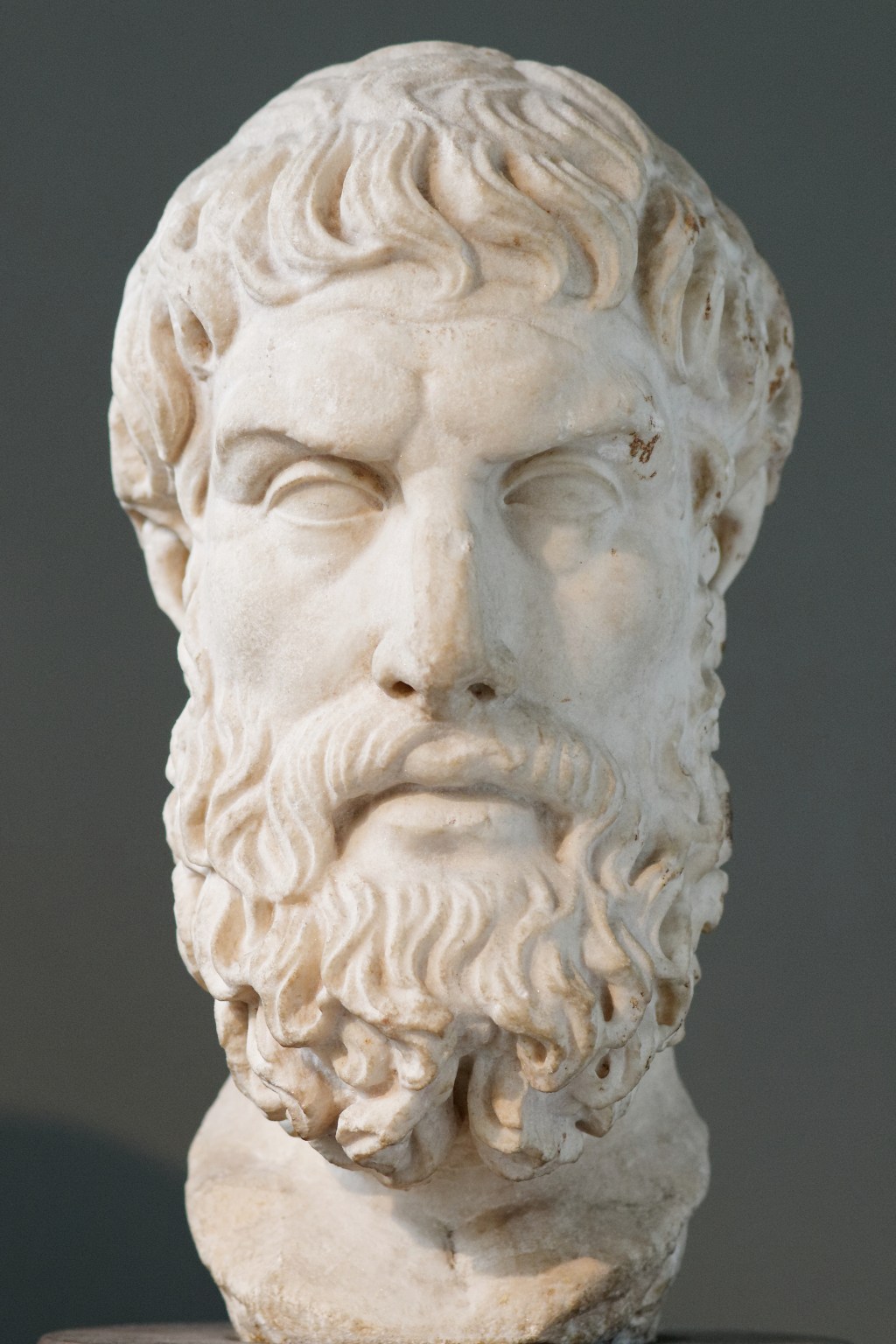
Epicurus, the ancient Greek philosopher, founded a school called the Garden in 306 BC in Athens. What made his school unique? It was open to everyone, including women and slaves, which was revolutionary at the time. In a society where only male citizens had rights, Epicurus created a space of freedom, equality, and the pursuit of happiness. The school taught a way of life very different from that of the great city-states: to achieve “ataraxia”, meaning peace of mind, through a simple life based on friendship, knowledge, and moderate pleasure.
Too often, Epicureanism is reduced to a caricature: drinking, eating, and partying endlessly. Yet, Epicurus himself led a frugal life. According to Diogenes Laërtius, he was content with a simple glass of wine and was a vegan. Far from debauchery, his philosophy invites us to be satisfied with what we have, not to chase after every desire, but to savor the essentials. Contrary to stereotypes, being an Epicurean does not mean living in excess or indulgence. On the contrary, Epicureanism is the pursuit of… moderate pleasure. An intelligent, calm, and lasting pleasure over time. Its key principles are:
– absence of fear of the god
– absence of fear of death
– possibility of achieving happiness
– possibility of enduring pain
In Macedonia, I feel like I’m touching this ancient wisdom. We learn and we get involved, but without losing ourselves. We work, but we breathe. We are ourselves. Here, I was taught that happiness is not always found in performance, but in the present moment, in kindness, in serenity. And maybe, deep down, that’s the real revolution: being happy with little. What if we didn’t need more?
Narjesse Ahrrouq
Picture of Epicurus: British Museum on Wikimedia Commons


Leave a comment