
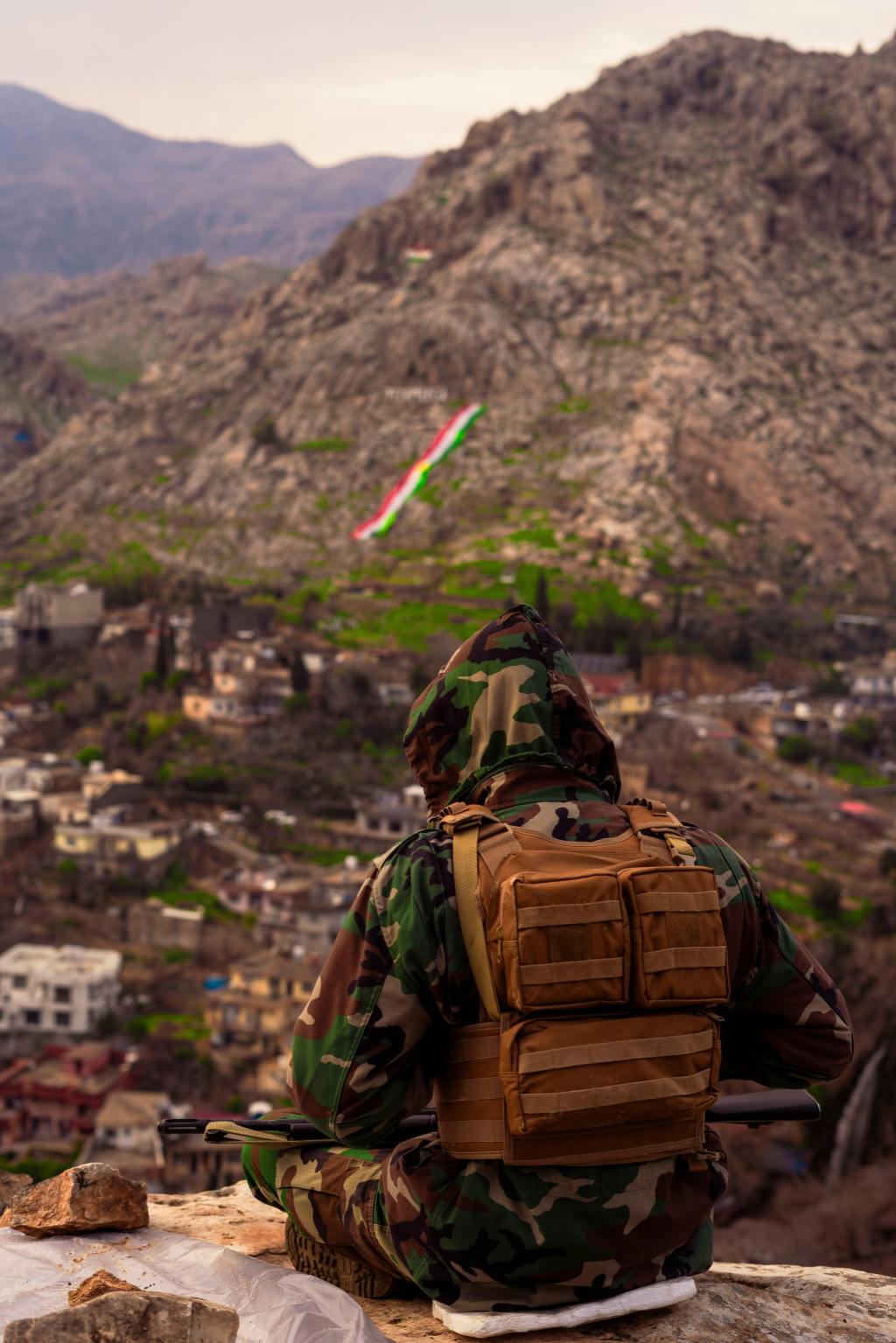
In Syria, a special political experiment started after the civil war. This autonomous region, also known as Rojava has become a symbol of hope for ecological movements in the Middle East. Even though it’s threatened from all sides, this “women’s revolution” still inspires people with its universal slogan: “Jin, Jiyan, Azadî”. “Woman, Life, Freedom.”
The Rojava revolution is different from movements. It’s built on strong ideas of justice and equality. This isn’t about asking for equal rights; it’s a big challenge to the existing power structures. At the heart of this idea is Jineolojî. The “science of women” or “science of life”.
This science doesn’t just study how women are oppressed. It tries to change history by putting women at the center of society and finding ways to break down power structures. For Rojava’s activists, fighting against capitalism and patriarchy are connected. So freeing society means freeing women, who are seen as the force for change.
The Women’s Protection Units (YPJ) are a known symbol of this revolution. Formed in 2013 these fighters became famous during the siege of Kobanî in 2014. They bravely fought against ISIS. For these jihadists, being killed by a woman was a shame, making the YPJ’s resistance even more powerful.
The YPJ is more than just a military group. They represent women’s ability to defend their land and dignity. As one YPJ commander said, the slogan “Woman, Life, Freedom” came from the idea that if society is built around women, they should be its protectors, not just men.
Rojava has created ways of living. One example is Jinwar, a village for women and children. Located in Hassakeh province, this self-managed village is a place that helps women who have escaped forced violence or lost their husbands in war. Jinwar is like a “patriarchy detox center.”
In Jinwar,men are not allowed to enter. Boys leave when they grow up. The goal is to help women live on their own, manage their economy and raise children with equal values. A new project started there: the “Children’s House,” which teaches leaders about equality from a young age.
What makes Rojava special is that it has made these principles into laws and governance. Every public institution, from the village council to the administration has a co-presidency: a man and a woman share power and make decisions together.
There are also women’s judicial and social structures. “Women’s Houses” are in every town. These centers, often run by respected women, handle cases of domestic violence polygamy and forced marriages. They play a role in mediation and social pressure.
But this “oasis of freedom” is in danger. Since the fall of Bashar al-Assad and the rise of forces in Damascus, pressure is increasing. The new Syrian administration has launched a blockade on cities like Kobanî cutting off basic necessities. The goal is to reunify Syria under one banner, which means ending autonomy and feminist structures.
The women of Rojava are terrified of the atrocities committed by Damascus militias. They fear a return to obscurantism. “I fear Jolani more than the Baath regime,” says Ilam Emer, an activist from the Women’s Houses. Feminists in Europe and around the world are trying to raise awareness fearing that the end of this experiment would be a blow to women’s rights in the Middle East.
Rojava has shown that it’s possible to build a model based on equality, ecology and direct democracy in the midst of conflict and, in a conservative society. Women are not a “priority” there; they are its leaders, its ideology and its army.
As the world watches Syria’s future, the Kurds of Rojava and their women fighters resist alone. They hope that international solidarity will not just be words. Because as the song echoing through Syria reminds us “Jin, Jiyan, Azadî” is not just a hopeful wish, but a promise of life that refuses to die.
Special thanks to my comrade who shared her experience with me and gave me her trust in not sharing sensitive information about her squad nor herself.
Arthur Bonhoure–Tolfo


Leave a Reply