
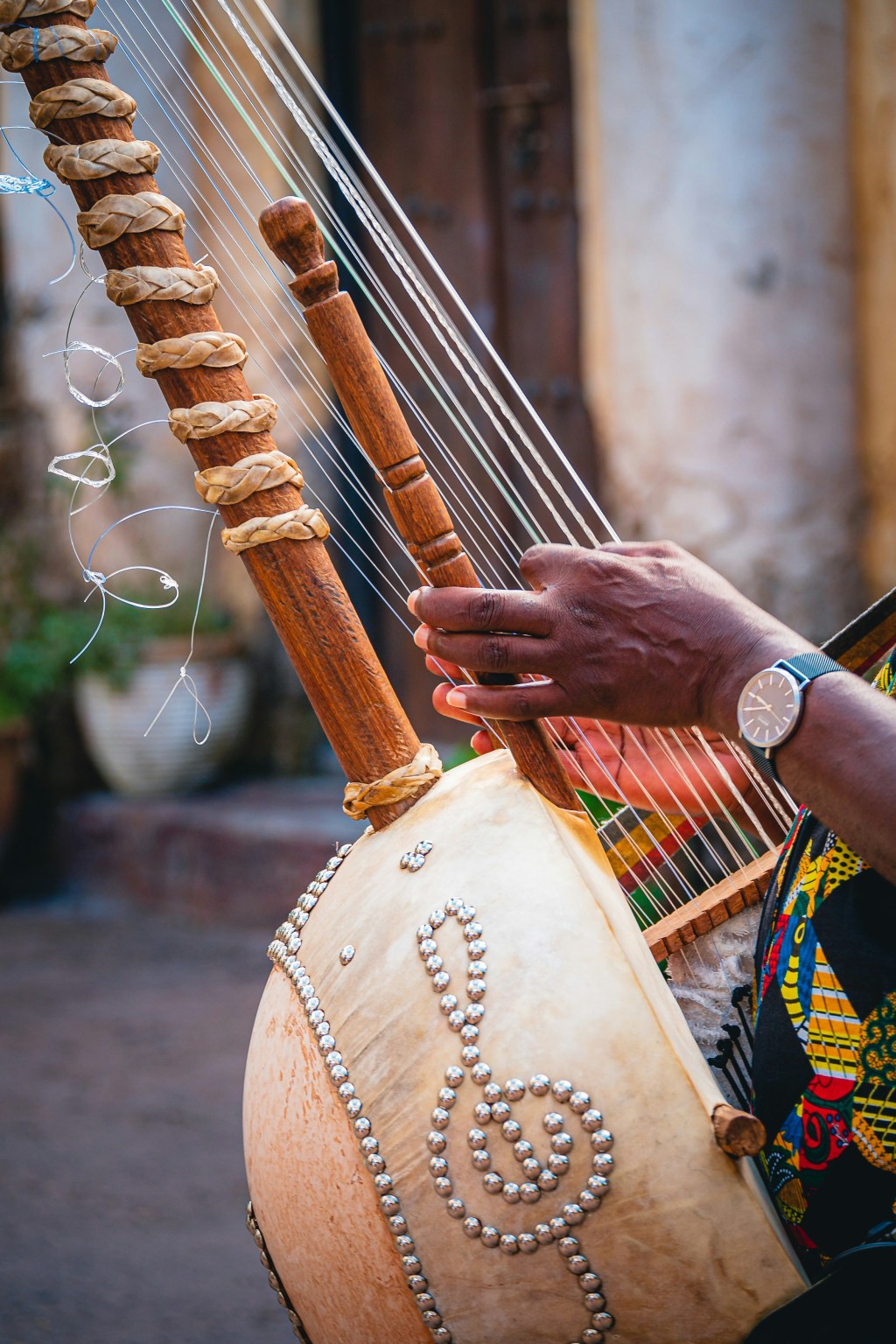
“Forget every stereotype you have heard and simply listen.”
This is the message Džijan Emin wants to leave with anyone unfamiliar with Romani culture. Džijan is one of Macedonia’s most distinguished contemporary musicians, composers and producers, and has worked together with operas and musicians all over the world.
Roma, the largest minority in Europe, have faced much discrimination, but still possess a rich cultural heritage. Despite centuries of exclusion from main society, they still have profoundly influenced European music and dance traditions. Famous works from composers like Liszt, Brahms or Debussy, as well as dances like the Spanish flamenco contain elements of Roma and Sinti music and dances.
“Listen to our music, our stories, and our voices.”
Nowadays, modern media and improved access to education enable new ways of preserving Romani culture. Traditions that were once passed down almost exclusively through oral storytelling can now be documented, shared and rediscovered by audiences around the world.
In Macedonia, the librarian and Romani rights activist, Fatma Bajram Azemovska, is seeing these developments very closely. For her, preserving Romani culture does not mean replacing oral traditions with books. Instead, she believes the two should exist side by side.
In the field of music, new chances have opened themselves as well. “Technology has made Romani music visible across the world,” Džijan says. The now possible collaboration of artists over continents, and digital saving of these creations offer a new dimension in music production.
Rather than being seen only as folklore, he observes Romani music increasingly recognised as an inspiration for many different popular music styles.
“I hope that through my work people can see that Romani culture is not only part of European history—it is also part of Europe’s artistic future.”
With more influential artists working all over the world, the active collaboration of different music styles with Romani music is rising as well. Džijan includes the emotional language from his Romani heritage in works with operas and orchestras worldwide.
He says that it influences how “I shape a phrase, how I build tension, and how I communicate with an orchestra.”
However, this wider audience and globalization in general also bear many challenges for Romani culture. The Romani language is experiencing a gradual loss, and many Roma still feel like they have to hide parts of their identity. This balance between upholding one’s traditions, but staying on pace with the pulse of time can be hard to keep.
For Fatma, preserving culture is not about freezing traditions in time. Instead, she believes they must continue to be lived and passed on. “Culture survives not simply because we remember it, but because we continue to live it, share it, document it, and pass it on to future generations.”
New developments and technologies do not simply mean a threat and danger for our cultures. They can also offer new chances for more visibility, collaboration, and a more diverse world.
“Every book that includes Romani voices, every library that preserves our heritage, every child who grows up proud of their identity, and every opportunity to tell our own stories contributes to a more inclusive Europe.”
Lea Schwegmann
A huge thank you to Fatma Bajram Azemovska and Džijan Emin.
Sources:
https://rroma.org/roma-music/
https://en.wikipedia.org/wiki/Romani_culture


Leave a Reply