
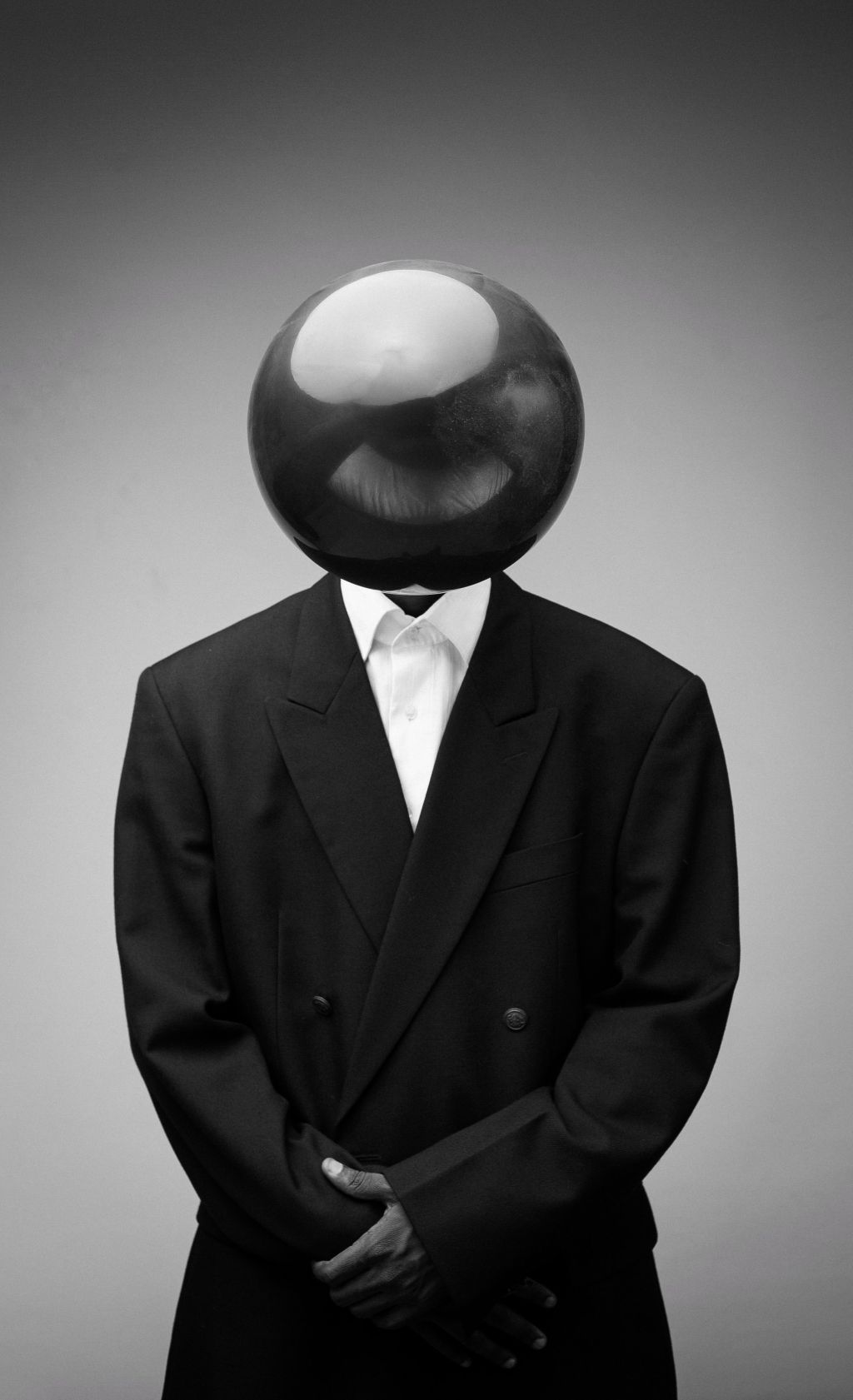
There is a question I have been asked more times than I can count: “What is the point of philosophy?” And I have always given the same answer: it is to think. To think about things further away than the tip of your nose. To see beyond the immediate, beyond the urgent, beyond the present moment.
But every time I say it, I am sad. Because in giving that answer, I have come to understand something I cannot unsee: most of us, and I include myself in this confession, do not take the time to think. We do not pause. We do not tolerate silence or boredom. We do not sit with the weight of our own thoughts.
This is terrifying. But the terror is not what disturbs me most. What disturbs me most is that I understand why.
The reason is alienation, a word that has become abstract but describes something we all feel in our flesh. To be alienated is to be separated from something that should be near. It is to stand outside the gates of your own life, pressing your face against the bars, watching yourself move through the world as though you were a stranger in your own skin. Marx spoke of alienation from labor, from the products of our hands, from the community of the people around us, and finally from our own human essence. We were once the subjects of our work; we became objects of it. We no longer made things; things made us.
But there is a deeper alienation, one that precedes all these, one that our age has perfected with terrible efficiency. It is the alienation from thought itself. From the slow, patient, unruly act of making meaning. We are no longer subjects who think. We are objects that process, consume, and are consumed.
The shift is subtle enough to not be noticed. We wake to a world that has already decided what deserves our attention. We move through currents of information that have already interpreted reality for us. We absorb conclusions without premises, answers without questions, certainties without the labor of doubt. Our minds have become repositories for information we have never truly considered, filing cabinets for opinions we have never truly held.
This is alienation in its most intimate form, we have been separated from our own mental lives. Our thoughts are no longer ours; they are delivered to us, pre-chewed, pre-digested, pre-sold. We have outsourced the very act of thinking to systems that profit from our passivity. And the most tragic part is that we barely notice, because the alienation feels like convenience. It feels like being connected, like being informed. It feels like freedom.
Why is this alienation worse now than it has ever been? Why does this particular moment feel like the edge of something, like standing on a precipice with the wind at our backs?
Because we have created an environment that is more efficient at eliminating thought than fostering it. We have built a culture of ceaseless distraction, where every silence is filled, every pause is interrupted, and every empty space is paved over with the relentless chatter of information. We are drowning in data and starving for meaning.
Every time we accept a summary rather than engaging with the text itself, we abandon the intimate conversation between reader and page. Every time we let a system of thought think for us, be it a corporation, an ideology, or an algorithm, we deepen our alienation: we become further from our own creativity, further from our own judgment, further from the messy, difficult, exhilarating work of being a mind.
The danger is not what these systems do. The danger is what they prevent us from doing. They prevent us from dreaming. Dreaming is not merely the fantasy of sleep. Dreaming is the mind at play, unconstrained by efficiency, untethered from utility. It is the space where new worlds are born, where connections form between distant ideas, where the possible pushes against the walls of the actual. Dreaming is the slow fermentation of consciousness, the underground river that feeds the visible streams of innovation and understanding. And we are losing it, not because we cannot dream, but because we have stopped making time for it. We have filled every silence with stimulation, every pause with content. There is no room left for the mind to wander. This is the ultimate face of modern alienation, we have become strangers to our own inner lives. The thoughts that drift through us are no longer fully our own; they are echoes of collective anxiety, whispers of marketed desires, refrains of a culture that values reaction over reflection. We no longer have thoughts. We receive them. And in receiving them, we lose the capacity to recognize that we are receiving at all.
I do not write this as a Luddite, though I admit I can appreciate them sometimes. I do not believe we can simply return to some imagined pastoral age of pure contemplation. The world we have built is here, and it is not going away. And that is not inherently a tragedy. Our tools are powerful, capable of wonders our ancestors could not have imagined. But a tool is not a mind. And we have confused the two. We have mistaken information for understanding, speed for depth, and connectivity for community. We have become so alienated from thought that we no longer recognize what thinking looks like when it is not being mediated, optimized, and monetized. The philosopher’s task, it seems to me, has never been more urgent. Not to retreat from the world, but to think about it. To ask what it means to be alienated in an age of connection. To be disconnected from ourselves when everything seems so connected. To draw the line, however faint, between processing and understanding, between information and wisdom, between the mere manipulation of symbols and the living, breathing act of making sense of our existence. This is not a luxury. It is a necessity. Because without thought, we are not free. We are merely responsive, reacting to stimuli as surely as any machine, following the predetermined paths of influence and habit. Without thought, we are not human in any meaningful sense. We are just complex patterns of behavior, predictable and explicable, utterly without mystery. I have no grand solution. I don’t think there is any. I spend an ungodly amount of time in front of my computer every day. I know the good it can create. But I also know that we need the time of reflexivity, the space of reclamation. We need to take back what has been quietly taken from us: our attention, our patience, our capacity for deep engagement with anything that does not arrive in a bright, immediate flash. We need to reclaim our sense of mystery, our tolerance for the unresolved, our willingness to live in the uncertain spaces where all real thought begins.
So, we will all put the device down. Close the tab. Turn off the notifications. And sit in the silence. Let the silence be uncomfortable. Let it be terrifying. Let it be whatever it is, without trying to feel it. And then we think. Not about anything in particular. Not productively. Not efficiently. Just think. Let your mind drift where it will. Follow a thought to its end and then beyond. Sit with a question until the answer seems less important than the asking. Dream.
This is the work of de-alienation. This is how we come home to ourselves. This is what it means to be human, and this is what we are losing. The systems of our age will take many things from us. They already have. But they cannot take our ability to think unless we give it to them. They cannot take our dreams unless we choose to stop dreaming. So choose. Choose to think. Choose to dream. Choose to be a human being in a world that increasingly prefers you to be a customer.
The point of philosophy, after all, is to think about things further away than the tip of your nose.
And the tip of your nose is closer than you think.
Arthur Bonhoure–Tolfo


Leave a Reply