
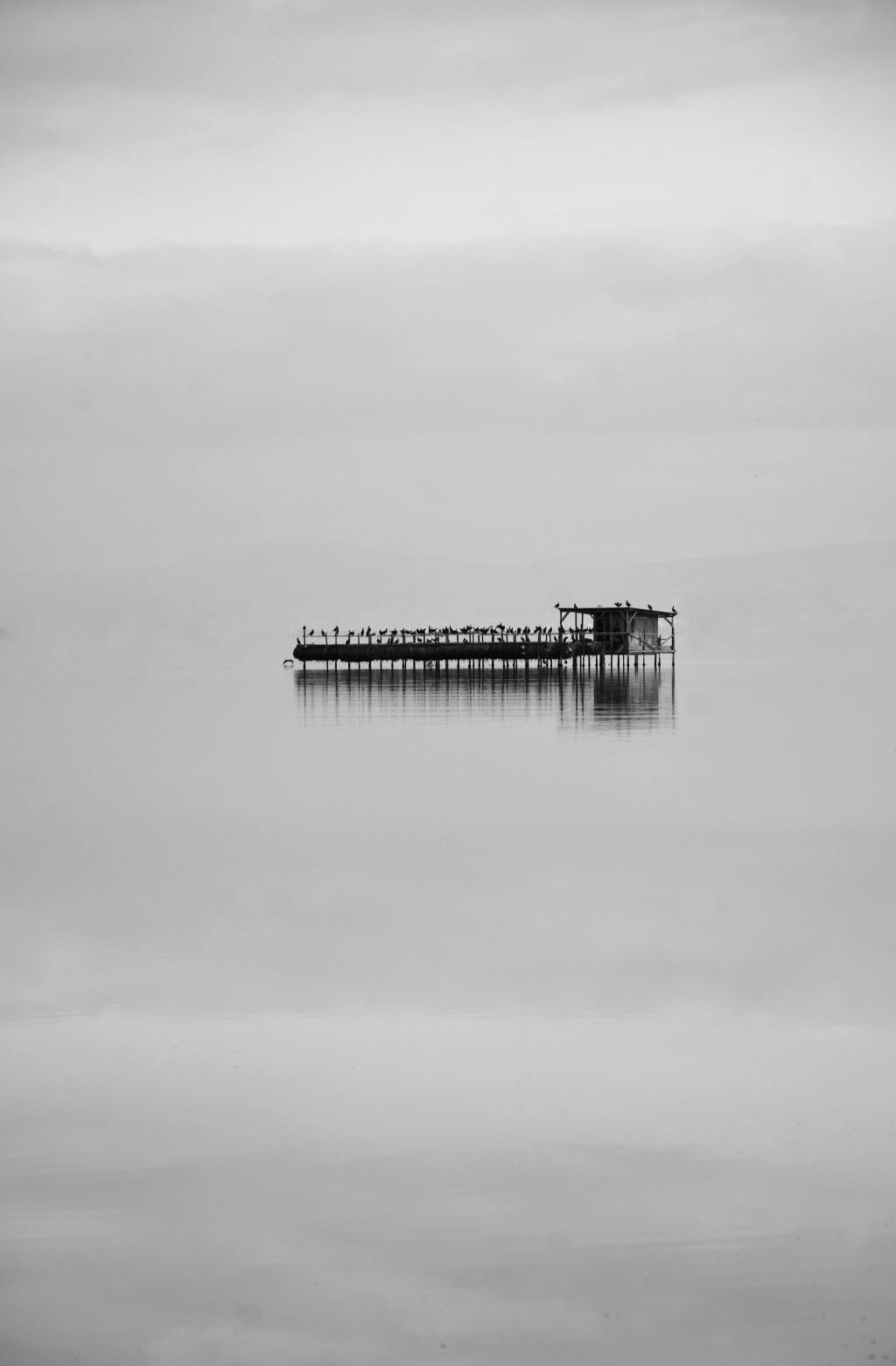
There are strong words that impose themselves, that snap, that take up space. And then there is silence. A discreet word, erased, pushed in the background, yet it contains the universe. It is not the waste between the words, not the awkward moment at the end of a sentence. It’s a substance, a presence one cannot avoid, a breath. In an era where the noise, alerts and endless flows saturate the environment, silence becomes rare. We flee from it, fill it, replace it. And yet, it’s essential. It’s where thought is created, where emotions reflect, the foundation of speech.
It’s in silence that we know if we feel at peace with ourselves. I would even say that it’s in silence that we know if we are at peace with someone else. A pleasant conversation with someone is a sign but a pleasant silence with someone, it’s harder, it’s proof.
Silence speaks without words. It speaks through absences, hesitations, glances. In a conversation, silence says a lot: hesitation, complicity, refusal, hurt, tenderness… It can say “I’m here”, it can say “I’m listening”, it can say “no”. Learning to listen to silence is learning to listen differently, it’s learning to focus on something else than words, what is behind them. Sometimes, silence is worth a thousand words.
Silence is a place. It could be as vast as a plain, or as intimate as a room plunged into darkness. It can be warm like a summer afternoon or icy like a winter night. In a library, silence is king, punctuated by the noise of turning pages. In nature, silence soothes, it becomes harmony, envelops us, reminds us that we are part of something greater. But in a waiting room, silence becomes heavy, tense, preceding important news. Each place creates its own silence, a silence that belongs to it, with its own rhythms, texture, and shadows.
Musicians understand this well. It’s only notes that must be played, but also silences. Without them, the melody collapses; it doesn’t sound the same. Silence is not an absence of music, it’s its breath. It gives the sound its relief, its depth, its emotion.
In truth, it is everywhere, but we only see it when we choose to look at it. It is what connects things together, what gives meaning to what came before and what is going to come. Some silences soothe, some hurt. Some are chosen; some are imposed. But they all say something. They are the mirror of our emotions that even words can’t describe.
Silence is therefore not emptiness; it’s a presence. It doesn’t impose itself; it invites itself. It demands nothing but offers a lot: words take roots, emotions find their place; the mind rests.
Learning to listen to silence is learning to listen to the world.
When everything stops, when noises fade, when voices fall quiet, all that remains is silence.
Paul Goumault


Leave a Reply