Rap music is an American minority artist invention with which students should take pride. Regrettably, rap music isn’t viewed as an art form by many Americans, but rather a trend that they expect will eventually vanish. Whether it is an art form or not, one might argue that it is a dangerous art form for its consumers. Is it really that dangerous, as the critics may say?
The development of rap music started in urban slum environments, which can be pinpointed in the South Bronx of New York. The majority of the population in this part of New York was made up of Hispanics and black people. In the late 1960s, the Bronx saw its population drop and became the most crime-ridden and poorest district in New York City. What is the correlation between these communities and being poor? One might wonder about how these circumstances shaped the beginning of hip-hop culture. These communities started to express themselves in a number of different ways, through block parties, street art, dance, poetry that was read out loud, and through music. It was black and Hispanic people living in the Bronx who started the hip-hop culture in the 1970s. Pioneers in the field of DJing and rap were black and Latino. DJ Kool Herc, for example, was a Jamaican DJ. His sound system from Jamaica had a huge influence on the development of rap and the art of DJing.
Today, rap is seen as one of the most popular genres in the music and entertainment industry. Many rappers have multiple platinum albums to their name, and rap videos are widely popular. The music is frequently aired on TV stations including TMF, JIMtv, and MTV. Most people appreciate rap music because they can relate to its lyrics about poverty, racism, family struggles, success, or life in the streets. Due to its powerful rhythms and confident lyrics, rap music can evoke feelings of energy, authority, and self-confidence in men, giving them a sense of power. This can also give a lot of women and minority groups power through their words. While there is a huge majority of people who despise rap music due to the extremely graphic language directed toward women, ethnic groups, authority figures, etc.
Artists like Drake, Travis Scott, Kanye West, Soulja Boy, Future, and many others have been blasted for their lyrics that reduce women to appearance or sexual status in their tracks.
When men do it, they don’t receive any criticism from their surroundings, but when a woman does, it’s time to be creative with the insults. When one follows the pattern of rap songs, they can easily sense the double standard of how life goes for men and women. A catchy beat and hyper adlibs can lure you into listening to the best track you have heard in a while. However, the moment you pay attention to the lyrics, there are dismissive utterances that can offend a community of people.
“She belong to the streets”
A woman is for everyone, and she lacks loyalty and respectability. Saying that a woman belongs to the streets just puts them into shame in the public’s eye which reduces women to stereotypes.
“I done flew one out to Spain to be in my domain”
A woman can be bought and used for a man’s fame and pleasure. It is extremely easy to spread some banknotes, and just like that, women just obey as you wish.
“Baby got a ego twice the size of the crib / I can never tell her s***”
Neither the same nor equal, women are irrational and difficult. Seeing a woman as an equal to men is not logical.
“Life is good” by Future. A wholesome look at life, assuming that life can be enjoyed through respect and honesty. That is the title of the song as well, which doesn’t exactly align with the lyrics. Nothing represents romance better than reducing women to devices in a success story. In addition to these lyrics above, artists have nothing nicer to add. It never backs down in terms of offence. It all accumulates till the outro of these uplifting anthems.
While women are getting their share of the crude lyrics of rap music, another group is waiting in line: youth. Considering that young people under the age of 18 are very easily influenced, encouraging or inciting them to do wrong things is a concern.
“I wake up in the mornin’, I got murder on my mind
AK-47s, MAC-11, Glocks, and .9s”
“I didn’t even mean to shoot him, he just caught me by surprise
I reloaded my pistol, cocked it back, and shot him twice”
“Murder on My Mind” by YNW Melly is a track that highlights an ongoing socio-legal battle over using rap lyrics as criminal confessions. Is this storytelling or a real-life behavior? Some young people can’t tell the difference between them. They want to emulate the styles or behaviors of their favorite rappers, and alongside what they perceive as good approaches, they also consume bad ones that are easily applicable in real life. Artists need to be more careful about the lyrics they use in their songs because, as you’ve seen, music has a huge influence on young people, and it can be very difficult to correct the negative effects that wrong messages might create later.
There is less room for both the lyrics and the music in pop and R&B than there is in rap, so while it is difficult for these artists to fit all of their feelings and emotions into a few minutes of music, the ability to put a lot of words in a short amount of time and to clearly express everything they want gives the artist more room for expression.
It is quite common and noteworthy for rap music to address social issues. In this respect, rap can be considered not only a musical genre but also a powerful tool of expression reflecting lived social realities. Since it is a type of music that grows through conversational language, it better reflects the person’s reaction through emphasis.
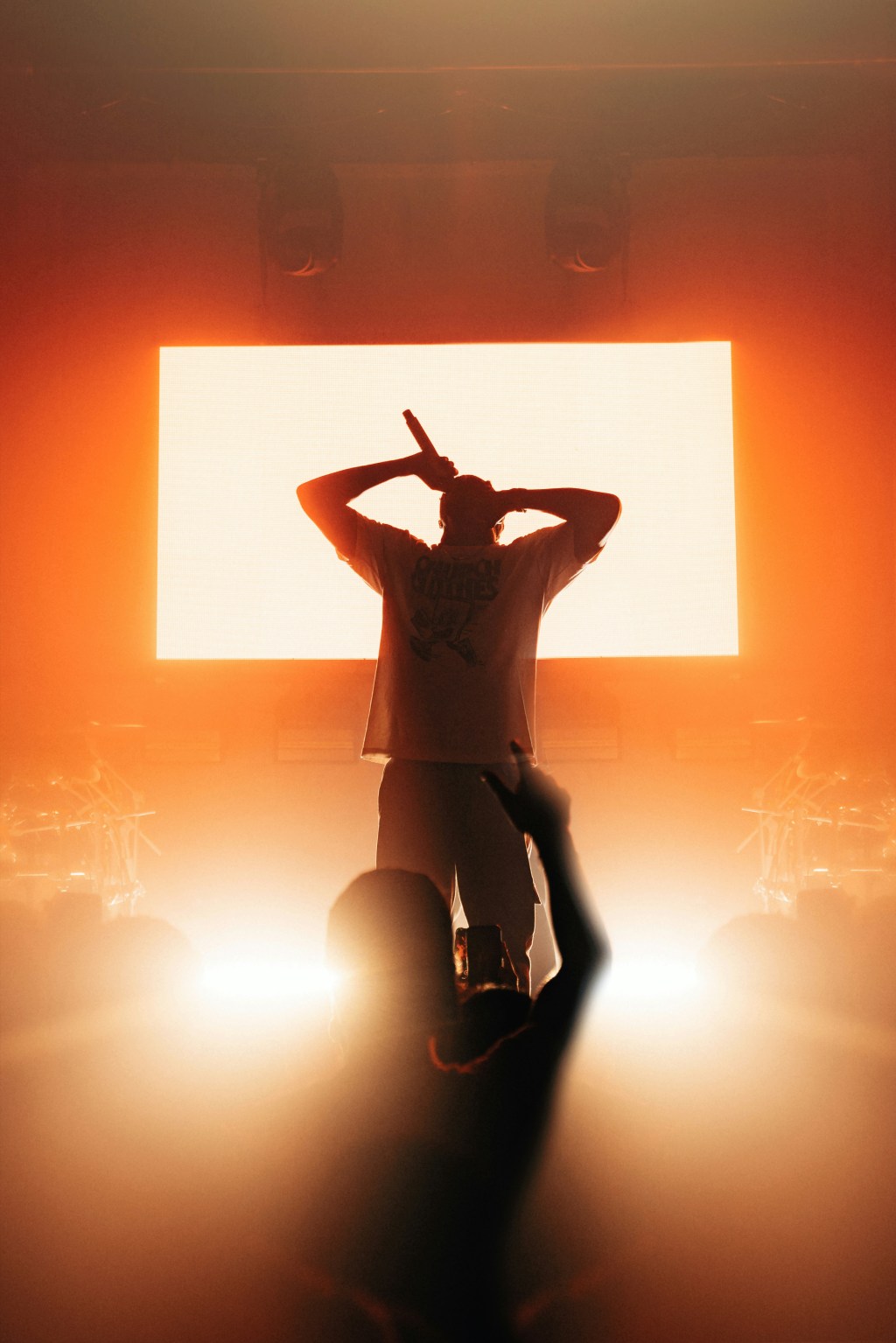
A massive quantity of rap music is created to mirror the societal and individual difficulties that creative professionals and the community experience. Not all rap music deals with a problem or distress, though; there are rap songs written for entertainment purposes and frequently heard in places and concerts where people go for fun. They can express all kinds of emotions and make you experience all kinds of feelings while listening.
To better understand the issue, people were asked for their opinions on the positive and negative aspects of rap music. While some argue that there is no detrimental impact, attributing it to people not shaping their lives according to rap songs, others might say that the explicit language in rap songs leaves a controlling effect on people’s brains. Whether it’s an art form or not is perhaps nobody’s business, because it’s such an influential genre of music today. People can feel stronger and more excited while listening to rap. Even if we are aware of the very raw lyrics that pour into our ears, we might not care about them. When opposing viewpoints arise in everyday life, do we have to react the same way when listening to rap songs as we do when faced with them in a simple setting?
Couldn’t we simply appreciate the feelings the song evokes in us without creating an impact or reaction within our own world?
Emrecan Sargın
Sources:


Leave a Reply