There is a certain violence in watching someone disappear while they are still breathing. I do not mean the dramatic collapse, the ambulance lights, the hospital sheets pulled up to a chin. I mean the slow erosion. The way a laugh softens into a slur. The way a brilliant mind begins to decay, that the kid I befriended at the school of my village, who was just like me, became a shadow.
I had to attend too many funerals for people who were younger than my parents. And didn’t have the courage to go. Many caskets lowered into wet earth while the rain fell like it was apologizing for the world. I have seen mothers age decades in a single afternoon. And every time, I have felt the same cold fury curl in my chest, not just at the drugs, not just at the alcohol, but at the system that packaged those poisons in bright colors and called it freedom.
They did not choose to die.
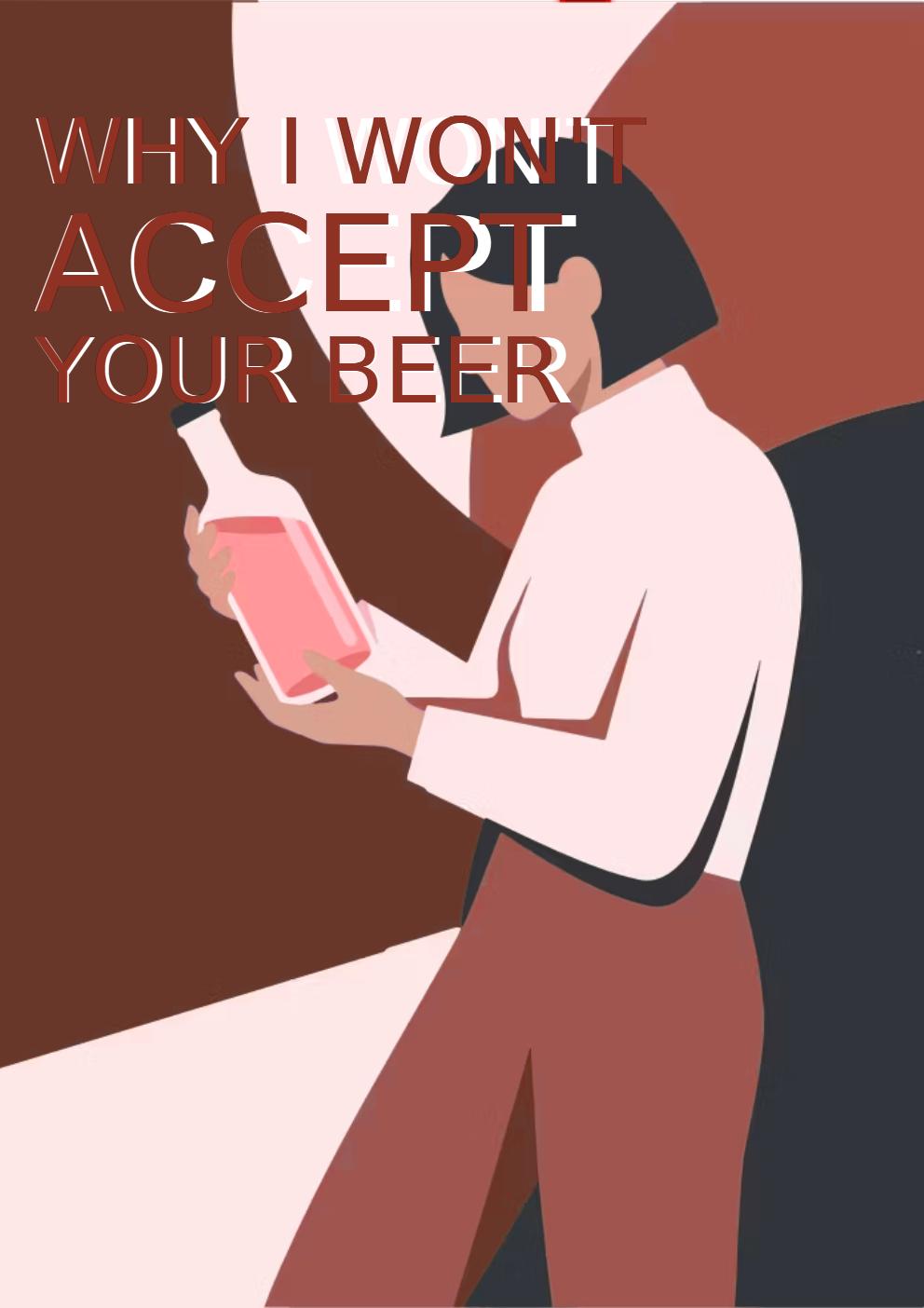
They chose to belong. They chose to numb. They chose the only escape route a hungry society offered them. And that is the cruelest trick of all: the consumerist machine does not need to force you to swallow its poison. It only needs to make you believe that swallowing is your own idea.
My friends were consumed long before the needle or the bottle found them. They were consumed by the neon glow of billboards that promised happiness in a glass. They were consumed by a culture that measures worth by how much you can spend, how fast you can forget, how quietly you can accept the slow cancellation of your own future. They were sold the lie that pleasure is the same as meaning, that oblivion is the same as peace.
And they bought it. Not because they were weak. Because they were tired.
Tired because they have been sent to a life they didn’t want, because the system didn’t help them either, then they became tired of working jobs that treated them like spare parts. Tired of staring at ceilings that felt lower every year. Tired of a world that handed them a mortgage, a television, a credit card, and a six-pack, and called it a life. The drugs were just the final chapter. The real addiction began the day they stopped believing that anything else was possible.
I remember the sky in the mornings after my first friend died. It was greyer. Colder. It looked closer, ready to fall on my head if I didn’t pay attention.
I remember standing in parking lots after school, waiting to be picked up, not knowing how I would tell my mom about what happened, and feeling something harden inside me. A refusal. A rebellion. I think I was already a punk back then but here, it was more than that. It was the refusal to be comforted into compliance.
If this society wants me numb, I have to be sharp.
If it wants me to be docile, I have to be dangerous.
If it wants me to consume, I will control myself.
If it wants me asleep, I will stay awake to keep an eye on it.
Sobriety, for me, is not abstinence. It is an act of rebellion.
Every morning I wake up without the fog of last night’s excess is a morning I reclaim from the machine. Every memory I keep intact is a middle finger to the industries that profit from forgetting. Every conversation I remember, every promise I keep, every tear I am sober enough to shed, these are small rebellions. But they are mine.
I am angry. I am so angry that sometimes I cannot breathe. Angry at the pharmaceutical executives who count their bonuses while bodies pile up. Angry at the alcohol companies who paint happiness in shades of amber and gold while families crumble. Angry at the culture that looked at my beautiful, broken friends and saw only consumers to be mined until the vein ran dry.
But anger, if you hold it close enough, becomes a fire. And fire can illuminate. Fire can purify. Fire can be passed from hand to hand in the dark.
I will forever remember my friends, I will never forget what consumerism did to them, my mind stays clear so my actions are precise.
Arthur Bonhoure–Tolfo


Leave a comment