
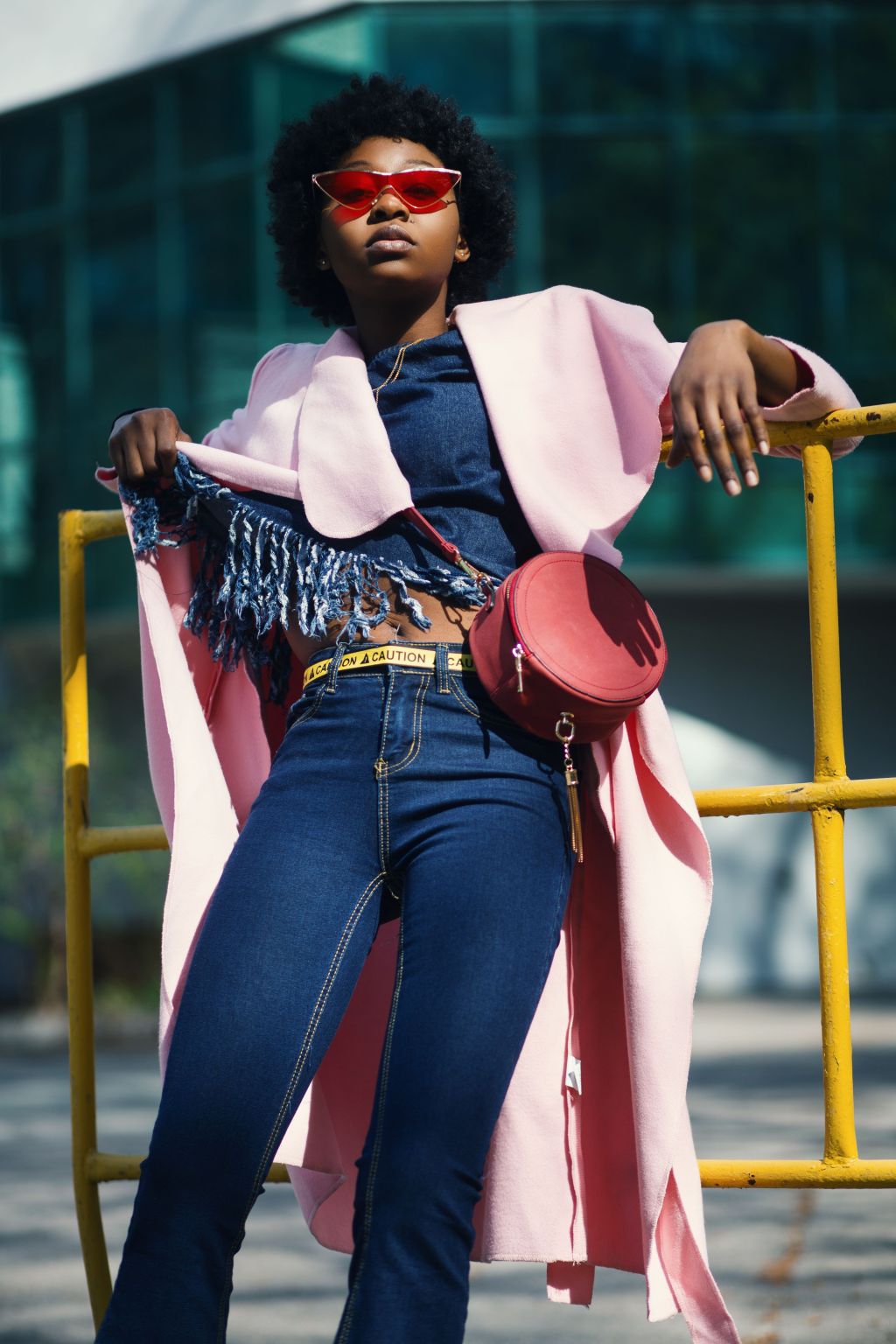
Fashion is often described as an useless industry, concerned only with appearances and temporary trends. Yet, when we look closer at psychological, sociological, and economic studies, we discover that clothing plays a far deeper role in human happiness. How we dress shapes our mood, our self-confidence, our social interactions, and even our mental health. Choosing an outfit is not just a practical decision; it is an act of self-expression, a way of reinforcing identity, and sometimes even a form of emotional therapy.
Researchers describe this effect as “enclothed cognition”: the idea that our clothes influence how we perceive ourselves and how others perceive us. A study published in 2026 in the International Journal of Home Science found that 89.4% of participants reported increased confidence and productivity when they wore clothes they liked, while 65.2% experienced better emotional regulation. Conversely, nearly a quarter admitted to judging themselves negatively on days when they felt poorly dressed. Clothing, in other words, acts as a psychological mirror, reflecting and shaping our self-image.
The concept of dopamine dressing illustrates this vividly. Colors and styles can directly stimulate mood: red and orange are linked to energy and passion, yellow to optimism, blue to calmness and focus, and green to balance. Wearing a bright color or a garment that inspires us can lift our spirits instantly. Designers have embraced this idea, creating collections filled with joyful palettes and inclusive cuts designed to generate emotional impact.
Fashion’s influence extends across demographics. A British study of women aged 38 to 67 revealed that those satisfied with their wardrobes were more optimistic and more socially engaged. Finding clothes that fit one’s age and body shape was directly tied to better mental health. Similarly, a Brazilian study published in Frontiers in Psychology highlighted that fashion involvement can boost self-esteem and confidence but also risks increasing self-objectification and psychological vulnerability if taken to extremes.
Consumption patterns also matter. A 2024 study in the Journal of Macromarketing showed that reducing compulsive shopping and extending the lifespan of clothing improved subjective well-being, partly by enhancing body image. Happiness, in this sense, is not found in endless acquisition but in cultivating a balanced relationship with clothing. Wearing a beloved garment repeatedly, reinventing it season after season, creates a kind of emotional durability that fast fashion cannot provide.
Beyond the individual, fashion has a collective dimension. A wardrobe that feels authentic encourages social participation and reduces isolation. Sustainable fashion practices, such as reusing, recycling, and prolonging garment life, not only benefit the planet but also enhance personal happiness by fostering a sense of responsibility and purpose. Brands that design inclusive clothing for diverse body types contribute directly to the well-being of their customers, proving that fashion can be a tool of social cohesion as much as personal expression.
Fashion also plays a role in professional and cultural contexts. A well-tailored suit or a carefully chosen outfit for a job interview can alter both how a recruiter perceives us and how we perceive ourselves. Clothing becomes psychological armor, preparing us to face challenges with confidence. In the arts, fashion is a medium of creativity and identity. Celebrities like Harry Styles or Billie Eilish have turned their wardrobes into extensions of their personalities, inspiring millions to embrace individuality through clothing.
Clothing even carries emotional memories. A dress worn at a wedding, a jacket gifted by a loved one, or shoes worn during a memorable trip can evoke powerful feelings years later. Garments are not just material possessions; they are fragments of our personal history, woven into the fabric of our lives.
Taken together, these insights reveal that fashion is far from trivial. It is a psychological tool, a social language, and a cultural force. The evidence is clear: wearing clothes that resonate with us increases confidence, optimism, and mental health. To dress well is to care for oneself. Behind every carefully chosen outfit lies a small dose of happiness and perhaps even a key to a more balanced, fulfilling life.
Paul Goumault
Sources:
The psychology of dressing: How daily clothing choices shape emotional well being


Leave a comment