
In our daily lives, we encounter many events, take part in countless activities, have many thoughts passing through our minds, and learn new things… But after experiencing all of these things and some time has passed, which of them can we actually remember? How much do we remember, and how much have we already forgotten?
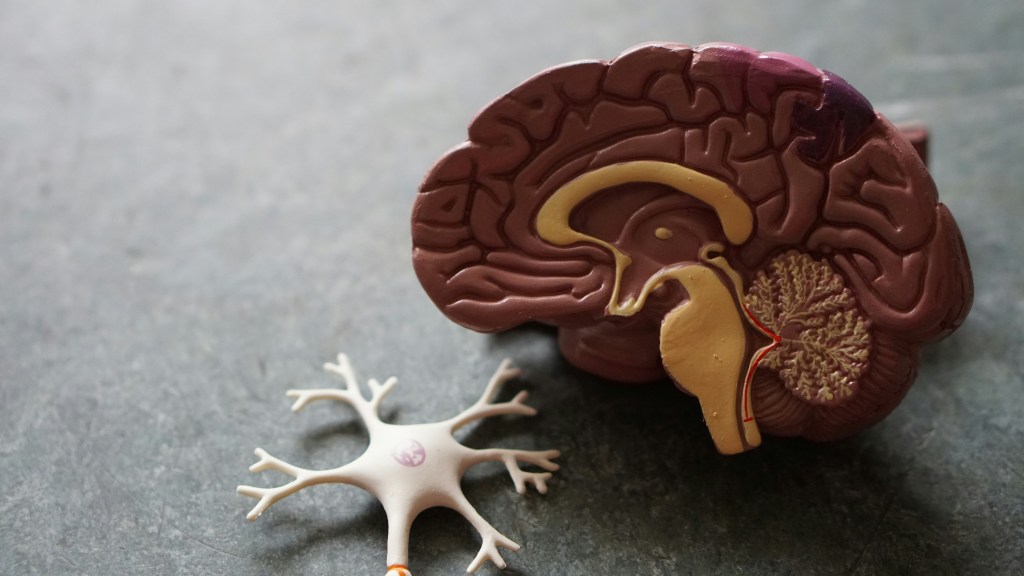
When we take a deeper journey into our brain and look at what is happening inside our minds, we are faced with a highly complex network of neurons. It is through these neurons that our memories are formed. We can describe these memories broadly as short-term and long-term memories. Neurons play an important role in the formation of memory. When we learn something new, a number of changes also take place within our neurons.
Most neuronal connections, known as synapses, are important structures that enable communication between neurons. When we look at these synaptic connections, the two neurons do not directly come into contact with each other; instead, there is a synaptic gap between them. In general, communication between these two neurons occurs through certain chemicals called neurotransmitters, which are released into the synaptic gap, allowing communication to take place. Whenever new information enters our minds, neural changes occur. During the process of acquiring this information, synaptic activity may increase; in other words, communication between neurons may occur more frequently. These synaptic connections may become stronger or weaker, and some connections between neurons may even be eliminated. All of these processes, which we refer to as synaptic plasticity, play an important role in the formation of memory.
When we focus more closely on the difference between short-term and long-term memory, we encounter certain parts of the limbic system, such as the hippocampus and amygdala, in relation to long-term memory. There are two of each of these structures in the brain, with one located in each hemisphere. In addition, the Prefrontal Executive Function System and the parietal cortex, which includes the angular gyrus, are among the structures responsible for certain short-term memory processes. Furthermore, short-term memory is thought to exist in the form of closed and reverberating electrical circuits between neurons.
When we examine the hippocampus more closely, we can say that, in addition to not playing a role in short-term memory, it has an important and critical role in the transfer of information from short-term memory to long-term memory. Furthermore, some studies have shown that the hippocampus is not the storage site of long-term memory and that it has no role in the process of retrieving and remembering information from long-term memory. Research has also indicated that the hippocampus provides the underlying framework for the consolidation process and that consolidation lasts for approximately two years.
When we examine the amygdala, we see that it is located very close to the hippocampus anatomically. Functionally, it is an important part of the limbic system because it is involved in the processing of emotions. It regulates basic emotions such as fear, anger, happiness, and anxiety, and manages the perception of danger. In addition, it plays a significant role in the formation of emotional memories. Due to its physical proximity to the hippocampus, it processes the emotional aspects of the events we experience in our daily lives and incorporates them into our memories. The amygdala also plays an active role in the emergence of emotional responses and is particularly active in emotions related to fear and stress. For example, when we hear a sudden, loud sound, the amygdala basically enables us to rapidly receive and process information from external stimuli, causing our bodies to startle and preparing us to defend ourselves. Emotionally intense events that happen to us in our daily lives may become more permanently embedded in our memories, perhaps because of the strong emotional role of the amygdala. Through this, we can also recall our memories through the emotions associated with them.
It has been observed that, during or after the formation of long-term memories, new synaptic connections can be established between neurons in limbic structures, particularly in the posterior association cortices and the hippocampus, while existing synaptic connections can also become stronger. Some studies have shown that these effects occur in the form of repeated, reverberating activity moving back and forth between the neocortex and the hippocampus.
In order to retrieve and recall information stored in our minds, we need to actively activate these memory networks, whereas during the recognition process, access to them occurs more passively through cues. However, if our attention is not sufficiently focused on an event while it is happening, our memory of it may not be formed strongly enough. Likewise, if the connections between the nerve cells associated with that event are not sufficiently strong, the memory in our minds may gradually fade and eventually be forgotten. A psychologist demonstrated through his research that learned information is rapidly forgotten over time and introduced the “forgetting curve.” According to this model, if learned information is not reviewed, a large portion of it begins to be forgotten during the first hours and days. However, reviewing information at regular intervals allows it to remain in memory for much longer. This strengthens the neural networks associated with that information and causes it to be stored more firmly in long-term memory. We can add another point to this: if we review a subject sufficiently, the neuronal connections associated with that subject in our brains may either increase or become stronger, which means that we use less energy when accessing that information again compared with when we first learned it.
There are several factors that are important for our memory. For example, as mentioned earlier, not paying enough attention to an event can affect how well it is remembered. In addition, insufficient sleep, stress, emotional states, and information that is important for a person’s survival are among the factors that can affect how persistently information is retained in our memory.
Çağan Şengül
Sources:
Yeniden yapılandırılan bellek – Vikipedi
Nöropsikoloji Derneği: Sinirbilim Bakış Açısıyla Bellek
Beynimiz Bilgiyi Nasıl İşler? | TÜBİTAK Bilim Genç
Yeni Bilgiler Öğrenirken Beynimiz Nasıl Değişiyor? | TÜBİTAK Bilim Genç
Amigdala Nedir? Amigdala Ne İşe Yarar? – Acıbadem Hayat
Limbik Sistem Nedir? Görev ve Bölümleri – Medicana


Leave a Reply