
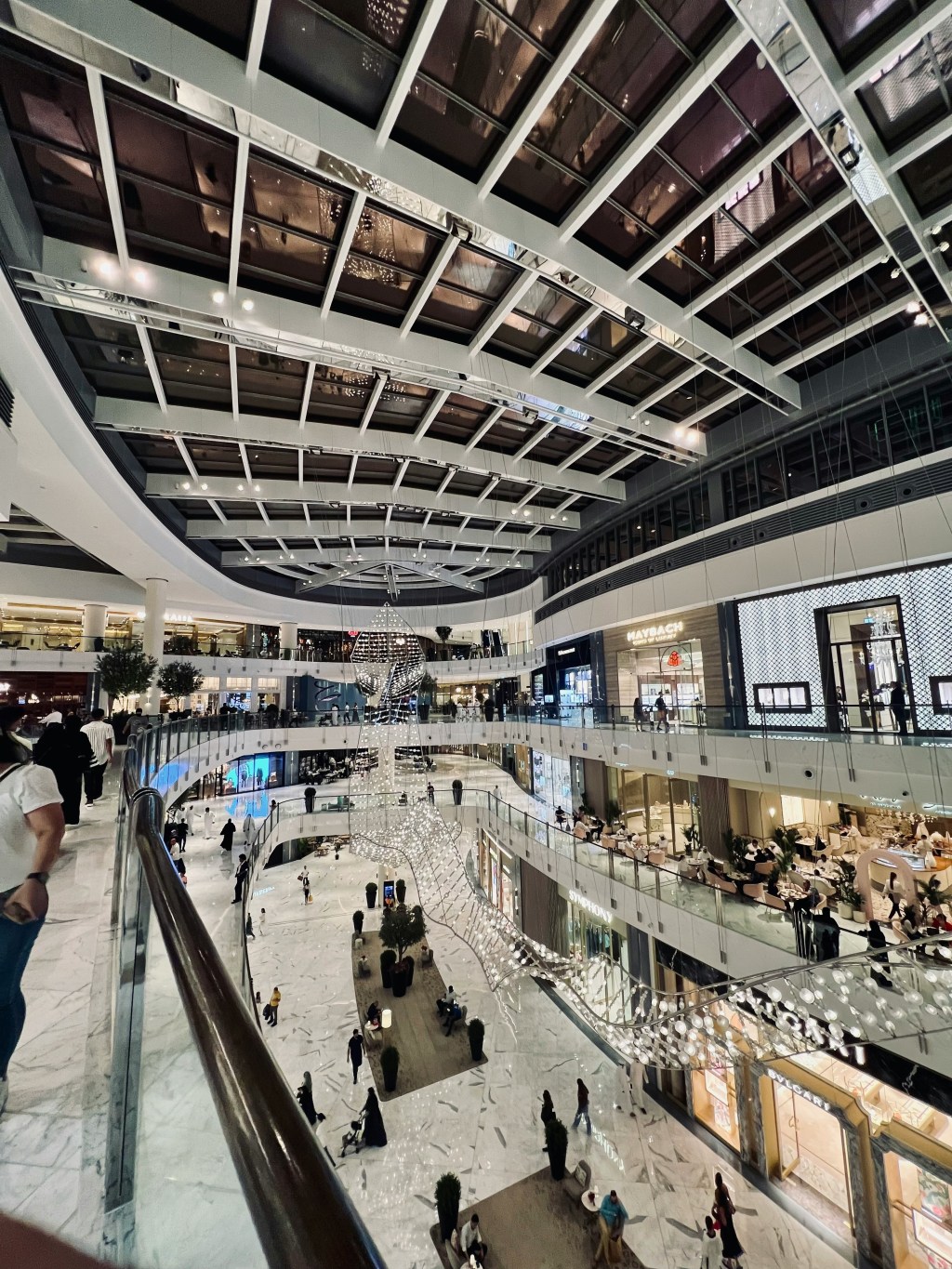
What makes a trip worthwhile? Is it the sightseeing? Discovering new flavors? Shopping? Relaxing? There’s no single right answer.
Traveling is an experience shaped by expectations, budget, time constraints, and unexpected events along the way. For many of us, traveling can mean discovering new places, trying local food, meeting new people, and accumulating lots of memories and experiences. A young person traveling abroad for the first time may begin to question their own habits when they see the daily lives of people from different cultures, thus realizing that there is no single normal. S/he can try foods s/he has never tried before, talk to strangers, or gain self-confidence by traveling alone. In this sense, travel teaches us things that we cannot always learn from books or classrooms.
A young person considering a vacation might also want to relax; the trio of sea, sand, and sun is essential for them. Some young people, for example, enjoy camping. All of these things add new things to a person’s life. On the other hand, items purchased during holidays, such as souvenirs, gifts, or magnets, constitute a kind of consumption area as important objects that make the holiday tangible.
Most of us do research before traveling. First, we choose a place, select a hotel if we’re staying there, and note down the places to visit. Then we look into where to eat and drink, maybe mark the shops to shop at, or watch vlogs about the place. So, we make a list of things to consume even before we travel. This can be useful in some ways to give an approximate answer to the question “How much money will I spend on vacation?”, but if we’re thinking about what we’ll bring back from somewhere even before we go, how much can we truly experience the trip?
At this point, a question comes to mind that I think is worth considering: Why do people shop when they travel? To eat. To find somewhere to stay. And, of course, for souvenirs. To bring a physical reminder of the place back home with us. Or perhaps to buy something we saw there and liked, knowing that we wouldn’t be able to find it in our own country.
Bringing something back from the places we visit allows us, in a way, to keep that door of return open in our minds—as if a part of us is still on that trip. A perfume bought in Paris, a bag found in Rome, a piece of pottery selected in Japan, a coffee cup from Istanbul… Are these really just products? Or are they tangible reminders of the experiences we had while we were there? At the end of the day, when we look at one of these objects, we say to ourselves, ‘I bought this when I was in Paris.’ Shopping creates memories. And so, when an object becomes a reminder of an experience we have had, it can acquire a meaning that goes beyond simply being an object.
Moreover, shopping at local markets or small businesses can be a way to get to know the culture, art, and traditions of a country, or it can contribute to its local economy. This reminds us that shopping is not limited to consumption but also has an experiential dimension.
But what about living the moment itself, rather than simply buying things? Truly getting to know a city means walking its streets, spending hours in its museums, taking its public transportation, observing its people, eating at a local restaurant… Most of these experiences can’t be packed into a suitcase and taken home. But perhaps that is precisely what makes them so valuable: the things we cannot take with us. Because some experiences may not fit into a suitcase, but they stay with us in our memories.
Experiences can retain their value longer than material possessions because they transform into memories, regaining value and continuing to exist in our lives. From this perspective, a T-shirt or accessory we bought might lose its significance just a few years after a trip; however, memories of an interesting event we experienced in a country or the people we met can stay with us much longer.
Experiencing different cultures, connecting with people from different backgrounds, and stepping outside our familiar surroundings can change the way we see the world. Something we buy during a trip, by contrast, rarely has the same power to do so.
On the other hand, because the value people place on travel and their expectations of it vary from person to person, the balance between experiencing and buying can also differ. Everyone has a different idea of travel. These ideals can also change completely when time and budget constraints are taken into account. For one person, spending three days visiting museums might be the perfect holiday, while for someone else, balancing sightseeing with shopping might be much more satisfying. For this reason, there doesn’t seem to be a single right answer to the question of what an ideal holiday looks like. Instead, if we shift our focus toward understanding what we expect from travel, we may be able to have a travel experience that suits us better and ultimately feel more satisfied with our own holiday.
Being in a place or seeing a place doesn’t always mean experiencing it. Visiting 10 shops, 5 restaurants, 15 tourist attractions, while taking the same photos from the same spots as everyone else, may mean seeing a place but not really experiencing it. At some point, instead of connecting with the city, we start “completing the to-do list”. This brings us to the distinction between visiting and experiencing a place: visiting is limited to seeing a place, while experiencing requires establishing a meaningful connection with it. Experiencing a place can give us entirely new perspectives and ways of thinking. It permanently changes things in a person, like Heraclitus’s saying you can’t step into the same river twice. In a way, the person who returns from a trip is not quite the same person who left. And that is why I believe there is a fine line between merely visiting a place and truly experiencing it.
It seems to me that when we return from a trip, we actually come back with two kinds of things: physical and intangible. Our physical luggage contains clothes, souvenirs, and purchases, while what we bring back with us mentally includes memories, stories, tastes, encounters, and new ideas. And perhaps the true value of travel lies in how these intangible things continue to reveal their value over time. When we buy an object, we know its value immediately. But sometimes, we only understand the value of an experience months or even years later.
I return to the question I posed at the beginning of my writing: what makes a trip valuable? Is it what we bring home or what we experience there? To me, the value of a trip is not measured by how full our suitcase is, but by the lasting impact it has on our lives. Perhaps what truly matters is not simply what we bring back from a trip or how many places we get to see, but what the journey leaves within us. A bag, a book, or a cup can keep the memory of a trip alive for years. But sometimes, we return home without buying anything, and years later, we still remember a street we walked down, a scent in the air, or an evening we spent in that city. I believe a good trip is not measured by how full our suitcase is, but by the value of what we continue to carry within us long after we return home.
Cansu Ertuğ


Leave a comment